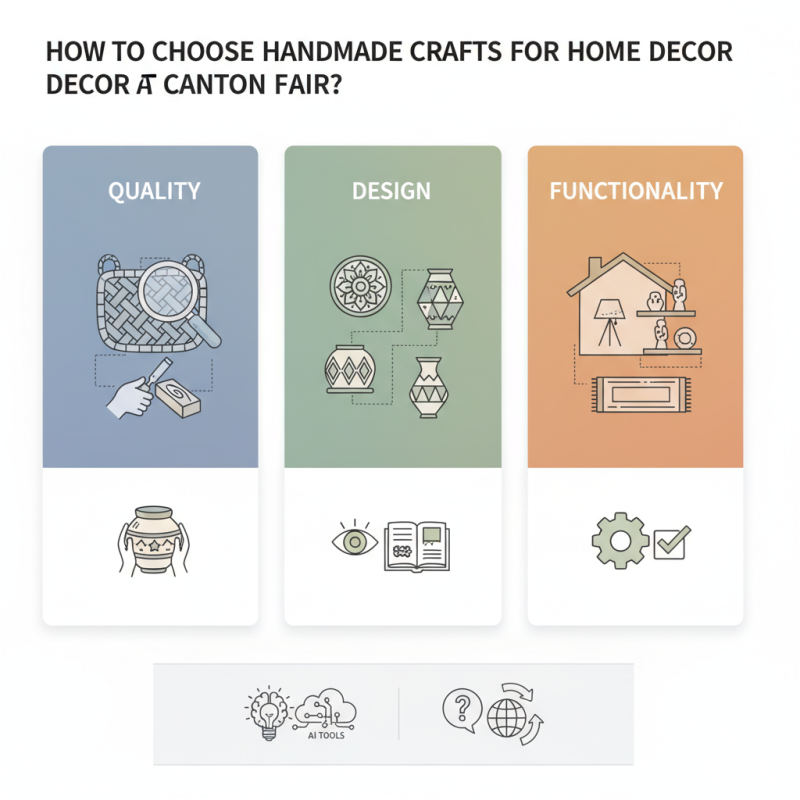
Choosing handmade crafts for home decor can be an enriching experience. At the Canton Fair, visitors can explore a vast array of unique items. How to choose handmade crafts for home decor requires careful consideration of quality, design, and functionality.
When navigating the fair, pay attention to the craftsmanship. Look for items that reflect skilled artistry and personal touches. These aspects add character to your home. Don't rush your decisions. Take time to examine the materials used. Handmade items should feel durable and well-made. Remember, not every piece will meet your expectations.
The Canton Fair also utilizes AI tools to enhance your experience. You can easily filter suppliers based on certifications. This technology allows you to find reliable vendors quickly. However, be aware that even with advances, not everything will be perfect. Some items might not be as expected. It's essential to keep an open mind and adapt your choices.
Understanding the Canton Fair: Importance for Handmade Crafts Selection
The Canton Fair stands as a vital hub for discovering unique handmade crafts. It attracts numerous artisans and suppliers from various regions. When attending, immerse yourself in the vibrant atmosphere. Observe the different stalls showcasing a plethora of styles. Some exhibitors may not highlight their best items, so careful browsing is essential.
Finding the right piece for home decor requires patience. Take your time to engage with the makers. Ask about their techniques and inspirations. Sometimes, the most charming items are tucked away in less prominent displays. Consider the craftsmanship; it reflects the culture and devotion behind each creation.
The fair can feel overwhelming. There are countless choices, and not all will suit your taste. Be open to exploring unexpected styles. A simple piece might capture your heart. Reflect on what resonates with you and your space. Handmade crafts often tell stories, adding depth to your decor.
Types of Handmade Crafts Suitable for Home Decor at Canton Fair
When considering handmade crafts for home decor at the Canton Fair, several types stand out. One notable category is textiles. Handwoven rugs, embroidered throw pillows, and quilted wall hangings add warmth and character to any space. According to a recent market report, the demand for unique textile products has grown by 15% annually. This trend reflects a desire for personal expression in home environments.
Another appealing type is ceramics. Handmade pottery, such as vases and dinnerware, not only serves a functional purpose but also acts as art. Skilled artisans often infuse their work with local culture, making each piece unique. In fact, research indicates that decorative ceramics can increase perceived home value by nearly 10%. Yet, it's crucial to consider the potential for imperfections in handmade items. Each piece might not meet the flawless standards of mass-produced goods.
Lastly, wooden crafts, including furniture and decor accents, are highly sought after. The natural appeal of wood brings a rustic charm. Handmade wooden items often showcase unique grain patterns and finishes. While their quality can be exceptional, buyers should inspect them closely for durability. Some items might require maintenance or special care over time. This awareness is vital for selecting pieces that truly enhance your home’s aesthetic.
Types of Handmade Crafts Suitable for Home Decor at Canton Fair
Evaluating Craft Quality: Key Factors When Choosing Handmade Items
When selecting handmade crafts for home decor, evaluating craft quality is essential. According to a report from the Craft Industry Alliance, 78% of consumers prioritize quality when making purchasing decisions. Observing materials and craftsmanship can reveal a lot about the item’s longevity. For instance, natural fibers like cotton or wool often indicate durability and comfort.
Moreover, details matter. Look closely at the stitching and finishing touches. Imperfections can enhance charm but too many flaws might compromise the appeal. A well-made item could potentially last longer, outperforming cheaper mass-produced alternatives. Research suggests that consumers are willing to pay up to 30% more for handmade goods that demonstrate superior quality.
Also, consider the origin stories behind each craft. A background with cultural significance adds depth to your decor. However, some editions may lack proper documentation on sourcing, which can be a red flag. Consumers should always ask questions. Checking for certifications or artisan credentials could provide peace of mind. Be wary of items that boast perfection, as true handmade crafts often embrace uniqueness and occasional inconsistencies.
Pricing Insights: Average Costs of Handmade Crafts at Canton Fair
When selecting handmade crafts at the Canton Fair, understanding pricing is essential. The average costs can vary significantly. Many factors influence these prices, including material, craftsmanship, and origin. For example, simple wooden decor items might range from $5 to $15. More intricate pieces, like hand-painted ceramics, can go up to $50 or more.
While browsing, keep an eye on details. Some artisans might charge more for unique designs or sustainable materials. Consider the value behind each piece. It’s not just about aesthetics; it’s about the story and effort behind the craft. Sometimes, you might see an item priced too high. This could make you question its worth. It’s crucial to assess if the craftsmanship justifies the price.
Don't hesitate to ask artisans about pricing. Their insights can provide clarity. You may find that some higher-priced items may be negotiable. On the other hand, be cautious of overly cheap items. They might lack quality or be mass-produced, losing their handmade charm. Balancing cost and quality is challenging but necessary for selecting the right decor.
Trends in Home Decor: Popular Handmade Styles from Recent Fairs
When exploring trends in home decor, the Canton Fair showcases a variety of popular handmade styles. Recent trade reports indicate that handmade crafts are gaining traction among consumers. Many gravitate towards unique pieces that reflect personal stories and artisanal skill. The growing desire for sustainable and eco-friendly products also influences these trends. In fact, a survey revealed that over 70% of buyers prefer items created with sustainable materials.
One notable style is bohemian decor, characterized by vibrant colors and diverse textures. This aesthetic often incorporates handcrafted items such as woven wall hangings and artisanal pottery. These pieces not only add charm but also serve as conversation starters. Expect to see a blend of cultures in these crafts, highlighting global artistry.
**Tip:** When choosing handmade items, consider their story. Items with a rich background often resonate more with buyers. Another trend involves minimalism, steering clear of overly complicated designs. Simple, elegant pieces can be impactful. Keep in mind that less is often more.
However, it’s crucial to reflect on the quality of handmade goods. Not all products meet high standards. Sometimes, craftsmanship can vary significantly, leading to potential dissatisfaction later.
By staying informed about the latest trends and adopting thoughtful purchasing habits, you can curate a home that is both unique and meaningful.
How to Choose Handmade Crafts for Home Decor at Canton Fair?
| Category |
Popular Styles |
Materials Used |
Trends |
| Wall Art |
Abstract & Nature Inspired |
Canvas, Wood, Metal |
Sustainable Materials |
| Baskets |
Woven & Handcrafted |
Rattan, Seagrass, Bamboo |
Natural Textures |
| Ceramics |
Rustic & Modern |
Clay, Stoneware |
Hand-Painted Designs |
| Textiles |
Embroidered & Printed |
Cotton, Linen, Wool |
Colorful Patterns |
| Furniture |
Rustic & Vintage |
Wood, Metal, Recycled Materials |
Upcycled Designs |
FAQS
: Textiles, ceramics, and wooden crafts are notable. Each adds unique charm to a space.
Demand for unique textiles has grown by 15% annually. People seek personal expression in their homes.
Handmade ceramics serve functional purposes and showcase local culture. They can increase perceived home value by 10%.
No, handmade crafts may have imperfections. Their uniqueness is a key feature, but it may not meet mass production standards.
Prices vary based on material, craftsmanship, and origin. Simple items may cost $5 to $15; intricate ones may exceed $50.
Unique designs or sustainable materials often lead to higher costs. Consider the story behind the craft.
Reflect on whether the craftsmanship justifies the price. Questioning worth can help in making informed decisions.
Yes, some artisans may be open to negotiation. Asking can reveal pricing flexibility.
Be wary of overly cheap items. They may lack quality or be mass-produced, losing the handmade charm.
Inspecting for durability is essential. Maintenance needs can impact the long-term enjoyment of the decor.
Conclusion
The article "How to Choose Handmade Crafts for Home Decor at Canton Fair" offers valuable insights for those looking to enhance their living spaces with unique, handcrafted items. It emphasizes the significance of the Canton Fair as a crucial platform for discovering a wide variety of handmade crafts suitable for home decor. The piece explores different types of crafts available, from ceramics to textiles, and highlights essential factors for evaluating the quality of items, ensuring that buyers select pieces that are both appealing and durable.
Additionally, the article provides pricing insights, guiding potential buyers on the average costs associated with handmade crafts at the fair. It also discusses current trends in home decor, showcasing popular handmade styles that have emerged from recent fairs. Overall, it serves as a comprehensive guide on how to choose handmade crafts for home decor, assisting consumers in making informed decisions while navigating the vibrant offerings of the Canton Fair.

 RUX Home Crafts