In the pursuit of creating minimalist interiors, understanding "How To Choose Crafts For Minimalist Interiors" is essential. According to a report by the National Association of Realtors, over 65% of home buyers prioritize simplicity and clean aesthetics in their living spaces. Crafts play a significant role in achieving this vibe. Selecting the right pieces can elevate a room, enhancing its tranquility and functionality.
Minimalist design favors quality over quantity. The right crafts should be intentional and expressive, yet unobtrusive. A study by the American Society of Interior Designers highlights that 78% of designers recommend versatile decor in minimalist spaces. However, choosing crafts can be tricky. It’s easy to oversaturate a minimalist space with unnecessary items that contradict its purpose.
Keep in mind the balance between aesthetics and functionality. Selecting pieces that resonate with personal values can bring a sense of authenticity. Seek out unique, handcrafted items to add character. Yet, be cautious. The line between minimalism and clutter can blur. Reflecting on these choices ensures the integrity of your design aligns with the principles of minimalism.
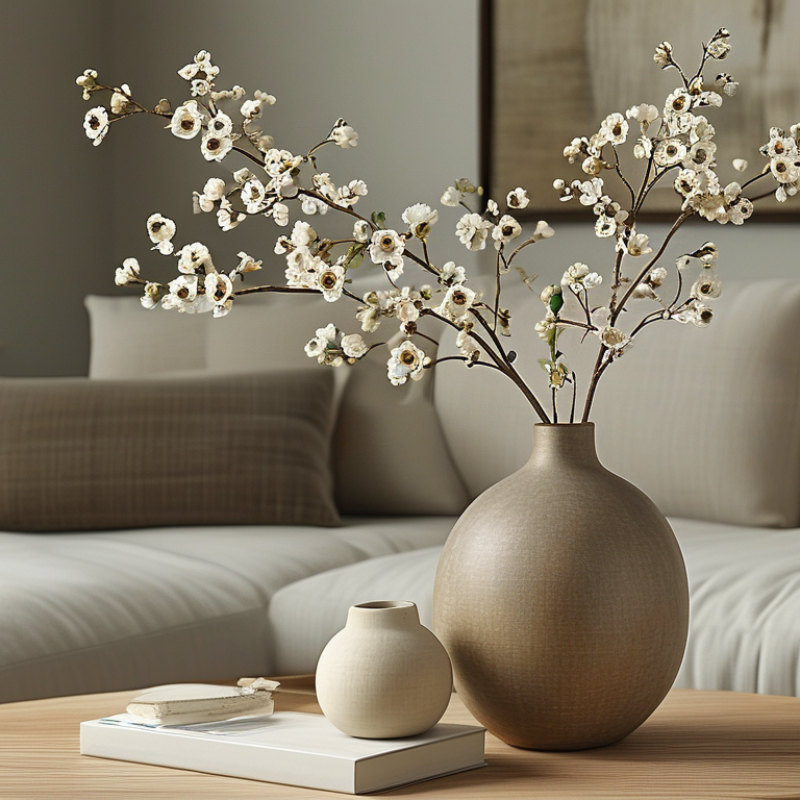
Minimalist interior design focuses on simplicity and functionality. When choosing craft materials, consider those that enhance this aesthetic. Natural elements work best. Wood, clay, and linen are excellent choices. These materials add warmth and texture without overwhelming a space.
Tips for creating minimalistic crafts include focusing on form and function. Aim for pieces that serve a purpose. A wooden bowl or a handmade vase can be both practical and beautiful. Use a limited color palette to maintain cohesion. Neutral tones and earth colors blend seamlessly into any minimalist decor.
Don't shy away from imperfections. Handmade items often have unique traits. This can add character to your home. Embrace the idea that not everything has to be perfect. Each item tells a story, adding depth to minimalist interiors. Craft with intention, and honor the process over the outcome.
When choosing colors and textures for minimalist crafts, simplicity is key. Opt for neutral tones like white, beige, or soft pastels. These shades create a calm atmosphere. To add depth, consider textures. Different materials can enhance your minimalist design. For example, combining smooth ceramics with soft linens can create visual interest.
Tips for selecting colors and textures include testing samples before finalizing. Experiment with various combinations on a small scale. This will help you visualize how they work together. Additionally, avoid overcrowding your space with too many colors. Stick to a tight palette to maintain that minimalist feel.
Remember that imperfection can enhance your crafts. Embrace natural flaws in wood or uneven edges in fabrics. These elements add character and uniqueness. Reflect on what resonates with you and choose materials that tell a story. This way, your minimalist interior remains both inviting and authentic.
Nature-inspired elements can breathe life into minimalist interiors. Incorporating these features enhances the serene atmosphere of simplicity. Many people overlook how natural textures can harmonize with minimalist decor.
Using wood accents is a popular choice. A reclaimed wood coffee table can serve as a stunning focal point. Simple touches, like woven baskets made from natural fibers, add warmth to a room. Potted plants can bring a burst of color, despite their low maintenance demands.
Nature does not need to be overwhelming. Even small elements can make a significant impact. A single leaf in a vase or a few stones arranged on a shelf can evoke tranquility. Reflecting on these details can inspire a balanced lifestyle that appreciates both beauty and simplicity.
Minimalist interiors thrive on functionality and simplicity. Crafts that prioritize purpose can significantly enhance these spaces. For instance, handmade wooden shelves blend aesthetics with utility. According to a study by the Design Research Association, 72% of homeowners report increased satisfaction when their spaces reflect their personal style through functional crafts.
Consider using clay pots for indoor plants. They bring life to a minimalist space while serving as natural air purifiers. Research shows that indoor plants can improve mental well-being by 33%. This highlights the vital role of integrating nature into our homes. Simple crafts allow room for reflection on our consumption habits. When choosing these crafts, it's essential to consider how each piece aligns with the minimalist philosophy of less is more.
Another popular choice is woven baskets. They provide clever storage solutions without cluttering the visual space. In a survey by the American Craft Council, 68% of respondents indicated a preference for handmade items that also serve a purpose. Such crafts encourage thoughtful living. They raise questions about our everyday choices and promote sustainability. Thus, integrating functional crafts into minimalist designs can profoundly affect our living environments.
Creating a cohesive minimalist look can enhance the aesthetics of your home. Embracing DIY craft ideas aligns with the essence of minimalism, which emphasizes simplicity and functionality. Research indicates that spaces with fewer, well-chosen decorative elements can improve well-being by reducing clutter anxiety. A simple ceramic vase or handcrafted wood shelf can add character without overwhelming the space.
When selecting crafts, focus on natural materials. Biophilic design trends show that incorporating elements like wood, stone, and plants brings serenity. A hand-knitted throw can serve as both a functional piece and a subtle statement of texture. However, remember that not every craft needs to be perfect. An uneven edge or asymmetrical shape can add to the authenticity of the piece.
Tips: Choose neutral colors to maintain a calm palette. Create a unified theme by selecting crafts that share a common element, such as texture or material. Finally, always consider the scale of your crafts. A large art piece may dominate a small room, while smaller items can be easily clustered together for impact. Enjoy the process of DIY crafts, knowing imperfections can make your minimalist space unique.
| Craft Type | Materials Needed | Estimated Time | Difficulty Level |
|---|---|---|---|
| Geometric Wall Art | Wood, Paint, Tape | 2 hours | Medium |
| Minimalist Planters | Clay Pots, Paint | 1 hour | Easy |
| Felt Wall Hanging | Felt, Sticks, Thread | 3 hours | Medium |
| Concrete Coasters | Concrete Mix, Molds | 4 hours | Hard |
| Wire Sculptures | Wire, Pliers | 2 hours | Medium |
: Opt for neutral tones like white, beige, or soft pastels to create a calm atmosphere.
Combine different textures, like smooth ceramics with soft linens, to enhance your visual interest.
Experiment with small samples to visualize how different colors and textures work together.
Embrace natural flaws; they add character and uniqueness to your handmade pieces.
Crafts like handmade wooden shelves prioritize purpose while blending aesthetics, enhancing overall satisfaction.
Clay pots for plants purify air, improve well-being, and bring life to minimalist spaces.
Woven baskets are clever storage ideas that provide utility without cluttering visual space.
Focus on natural materials and maintain a calm palette to enhance simplicity and functionality.
Scale matters; larger items can dominate small rooms, while smaller pieces may cluster effectively.
Remember, not every craft needs to be perfect. Embracing asymmetry can enhance authenticity.
When considering how to choose crafts for minimalist interiors, it is essential to focus on the best craft materials that complement a clean and uncluttered aesthetic. Selecting natural materials like wood, linen, and ceramics can enhance the simplicity of a space while maintaining warmth. Additionally, choosing colors and textures that are muted and harmonious promotes tranquility, aligning with the core principles of minimalist design.
Incorporating nature-inspired elements, such as potted plants or botanical prints, can bring a refreshing touch to minimalist decor. Functional crafts, like handmade storage solutions, not only add character but also improve organization, ensuring that each piece serves a purpose. Finally, DIY craft ideas that emphasize cohesion and unity in design help create a serene environment, ultimately elevating the minimalist experience in any home.

RUX Home Crafts