Home Craft Decoration Ideas For Modern Interiors can bring Chinese craftsmanship into contemporary rooms without making them feel like museum displays. A carved elmwood screen, a blue-and-white porcelain vase, or a woven bamboo lamp can add texture and a sense of place. Small choices matter. The designer Charles Eames once said, “The details are not the details. They make the design.” That thought suits handmade decor: a visible grain, uneven glaze, or careful stitch can shape how a room feels.
Choosing pieces takes more than matching colors. Consider the material, its finish, and the light around it. A dark lacquered box may look striking on a pale oak shelf, while embroidered silk can soften a clean-lined bedroom. Natural fibers also change with use and sunlight, so placement matters. This guide explores how traditional Chinese crafts can work with modern furniture, neutral palettes, and practical room layouts. It also considers scale, care, and ways to avoid visual clutter.
Not every handmade object will suit every home. A large carved panel may overwhelm a small entryway, even when its workmanship is beautiful. That tension deserves thought. The aim is not to fill every corner, but to choose pieces with meaning and give them room to be seen. Some combinations may feel less polished than expected; that can be useful, too. It invites a closer look at what makes a space feel personal, balanced, and lived in.
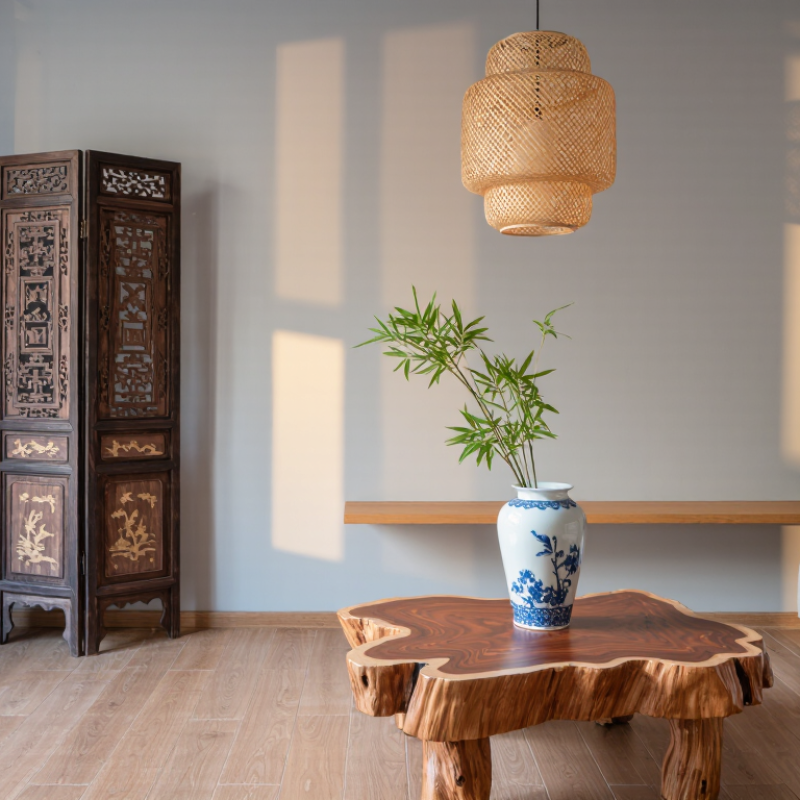
Chinese home crafts bring material, symbolism, and skilled handwork into modern interior design. They include carved wood, woven bamboo, paper-cut forms, ceramics, and embroidered textiles. Each craft has its own regional history, so it is better to describe a piece by its material and origin when known, rather than treating all Chinese design as one style. In a contemporary room, one carefully chosen object can create a stronger impression than a crowded display.
A carved wooden screen can soften light beside a window, while a small ceramic vessel adds texture to a plain shelf. Woven baskets work well for everyday storage, especially when their natural fibers echo wood or linen nearby. Small details matter. Allow space around decorative pieces, and consider how daylight changes their color and shadows. A bright red accent may feel lively in one room, yet overpower a quiet palette in another.
Craft should not become a visual theme applied without thought. Check how an object was made, what materials it contains, and whether its scale suits the room. Handmade surfaces may show uneven edges or subtle color shifts; these are not always flaws, though they may need balancing with simpler furnishings. Leave room. Modern interiors feel more considered when craft remains part of daily life, not merely a display.
UNESCO inscription years offer a useful timeline for selected Chinese craft traditions that can inspire contemporary interiors. The chart shows how many years had passed since each inscription, calculated for 2026.
These figures show years since inscription, not the age of each craft or its popularity. Sources: UNESCO Intangible Cultural Heritage entries.
Traditional materials bring texture and a sense of place to modern interiors. A bamboo screen can soften afternoon light while keeping a room open. Woven rattan works well on cabinet doors or a single chair, where its pattern adds warmth without crowding the space. For a quieter surface, try lime plaster; its gentle variations catch light differently throughout the day.
Craft techniques matter as much as materials. Look for solid wood joined with mortise-and-tenon construction, which can provide strength without visible metal fittings. Hand-thrown clay tiles also add subtle variation to a kitchen wall or entryway. Their edges may not align perfectly. That can feel charming, though too many irregular surfaces may make a small room seem restless. I would test one sample in the actual light before committing.
Tips: Pair one tactile feature with calm, simple furnishings. Dust woven surfaces with a soft brush, and keep natural fibers away from persistent dampness. Ask how a material was finished and what care it needs. A little unevenness is welcome, but practical upkeep still matters.
Choosing Chinese craft styles for contemporary rooms is less about themed décor than deliberate contrast. A handwoven bamboo screen can soften a bright, spare living room. A small celadon vessel adds color without crowding a shelf. Keep the palette quiet and let texture carry the detail. Scale matters.
The Global Wellness Institute’s 2024 Global Wellness Economy Monitor estimated the wellness real estate sector at $438 billion in 2023. This figure does not show that buyers specifically prefer Chinese crafts. It does point to growing investment in healthier homes and buildings. Pair matte wood or linen with one glazed ceramic piece to bring warmth and tactility into a room. Avoid combining too many unrelated motifs.
Choose each craft for a purpose: woven bamboo filters light, carved wood creates a focused accent, and porcelain suits a simple tabletop. Ask about materials, making methods, and care, especially for lacquer or delicate textiles. Handmade pieces may vary slightly. That irregularity can feel alive, though sometimes the finish will not match a perfect render. Test one piece in the room before committing.
In a modern interior, Chinese craft pieces look intentional when each has room to breathe. Choose one anchor, such as a handwoven bamboo tray on a low console or a small porcelain sculpture beside a plain lamp. Keep nearby objects varied in height. A short ceramic cup beside a taller vase creates a gentle visual rhythm. Leave a clear patch of surface. Empty space matters.
Build a loose triangle instead of lining every object along one edge. Pair textures, perhaps smooth porcelain with a rough woven runner. Repeat one color in two or three places: muted blue might appear in a textile, a tray, and a small ornament. This connects separate crafts without making the room feel staged. Check the display from the doorway and from a seat; each angle reveals different gaps. On a narrow shelf, group smaller pieces, but let one larger object stand alone when it needs attention. I sometimes add one item too many. Removing it can restore balance, though a slightly uneven arrangement may feel more lived-in.
Handmade decor often carries small variations that give a room warmth: a carved edge, uneven glaze, or woven fiber. Caring for these pieces starts with noticing what they are made of. Dust wood, clay, and metal with a soft, dry cloth; use a clean brush to reach carved corners. For woven items, lift dust gently rather than pulling loose strands. Less is safer.
Keep delicate pieces away from direct sun, radiators, and damp windowsills. Strong light can fade dyes, while sudden changes in moisture may stress wood or natural fibers. If a piece needs more than dusting, check its maker’s care notes first. When none are available, test a barely damp cloth on a hidden spot, then dry the area promptly. Avoid soaking, abrasive pads, and household sprays, which can leave residue or damage finishes. I used to assume a little polish always helped; it does not. Some surfaces look better—and last longer—without it. If a joint loosens or a textile begins to fray, pause before attempting a quick repair. A skilled craft conservator can suggest a treatment suited to the material.
| Handmade Piece | Routine Care | Avoid | Placement and Environment | Suggested Check or Care Interval |
|---|---|---|---|---|
| Glazed ceramic vases and ornaments | Dust with a soft, dry cloth. For suitable glazed surfaces, wipe with a lightly damp cloth and dry thoroughly. | Sudden temperature changes, hard impacts, and abrasive pads that may scratch the glaze. | Display on a stable, level surface away from edges and busy walkways. | Dust every one to two weeks; check periodically for chips or hairline cracks. |
| Unglazed pottery | Remove dust gently with a soft brush. If cleaning is needed, test a small inconspicuous area first. | Soaking or frequent wet cleaning, as porous clay can absorb water and may stain. | Keep dry and use a protective coaster or shelf liner if the piece sits on delicate furniture. | Dust monthly or as needed; inspect after any spill or damp exposure. |
| Woven bamboo, rattan, or straw decor | Dust with a soft brush or vacuum using a low-suction setting and brush attachment. | Prolonged moisture, soaking, and prolonged direct sunlight, which can weaken or fade natural fibres. | Keep in a dry, well-ventilated area and away from heaters or damp walls. | Dust every two to four weeks; check occasionally for loose strands or signs of dampness. |
| Hand-embroidered textiles and wall hangings | Remove dust with a clean, soft brush. Follow the maker’s care instructions before any washing. | Rubbing embroidery, harsh detergents, and hanging heavy textiles from a few weak points. | Limit direct sunlight to help reduce fading; use secure, evenly distributed support when hanging. | Dust every one to three months; check hanging points and fabric condition seasonally. |
| Carved or turned wood decor | Dust along the grain with a soft, dry cloth. Use a wood-safe cleaner only when its suitability for the finish is known. | Excess water, abrasive cleaners, and rapid changes in heat or humidity that may contribute to movement or cracking. | Keep away from radiators, heating vents, and persistently damp locations. | Dust every one to two weeks; inspect for loose joints, surface changes, or insect activity. |
| Hand-forged or decorative metal pieces | Dust with a soft cloth and dry promptly if the surface is accidentally dampened. | Scouring pads and untested polishes, which can scratch or alter certain finishes. | Display in a dry area; avoid prolonged contact with moisture and damp surfaces. | Dust monthly; check for corrosion or changes in the finish every few months. |
| Handmade paper, prints, and paper-cut art | Dust the frame or protective glazing rather than wiping the paper itself. | Direct sunlight, damp conditions, and unnecessary handling, which can cause fading or physical damage. | Use a frame with suitable protective glazing and display away from bathrooms, kitchens, and strong sunlight. | Check the display area seasonally for moisture, fading, or condensation. |
| Painted or lacquered craft objects | Dust with a soft, dry cloth. Test any damp cleaning on a hidden area before treating the whole surface. | Solvents, alcohol-based cleaners, and abrasive cloths unless the finish is known to tolerate them. | Keep away from direct sunlight and sources of heat to help protect the surface and colours. | Dust every one to two weeks; inspect for lifting, flaking, or scratches periodically. |
Carved wood, woven bamboo, ceramics, paper-cut forms, and embroidered textiles can add material and texture. Choose pieces with known origins when possible.
Place a handwoven screen near a bright window to soften the light. Leave space around it so its pattern stays clear.
Start with one anchor piece, such as a bamboo tray or porcelain sculpture. Less is enough. Add another only if the surface still feels balanced.
Vary their heights, such as pairing a short ceramic cup with a taller vase. A loose triangle can feel more natural than a straight row.
Matte wood and linen offer a calm contrast to glazed ceramic. Repeating one muted color in two or three places can connect the pieces.
Not always. Uneven edges and slight color shifts can show handwork, but they may not suit every room. Balance them with simpler furnishings.
Check its materials, making method, care needs, and scale. Test one piece in the room before committing.
Leave a clear patch of surface and check the arrangement from the doorway and a nearby seat. I sometimes add one item too many; removing it can help.
Home Craft Decoration Ideas For Modern Interiors shows how Chinese handmade crafts can bring warmth, character, and cultural depth to contemporary homes. It introduces traditional materials such as wood, bamboo, ceramics, textiles, and paper, along with techniques that give each piece its distinctive texture and form. By understanding the craftsmanship behind these objects, homeowners can choose items that complement modern spaces without making them feel crowded or overly traditional.
The guide also explains how to select craft styles for different rooms and arrange them with a sense of balance. A carefully placed ceramic vase, woven accent, or carved detail can create visual interest while allowing clean lines and open space to remain. Finally, it offers simple care principles, such as keeping delicate pieces away from harsh sunlight and cleaning them gently, to help preserve their beauty and make them lasting parts of the home.

RUX Home Crafts