In today's world of interior design, shelves are more than mere storage spaces; they are canvases for self-expression. According to the American Home Decor Association, 72% of homeowners believe shelf styling significantly enhances room aesthetics. This insight highlights a growing interest in the art of shelf design. When it comes to "How To Style Shelves With Decorative Crafts," expert Sarah B. describes it as “transforming everyday spaces into inspiring environments.” Her knowledge emphasizes the power of thoughtful decor choices.
Decoration goes beyond matching items. It's about creating a narrative. Every trinket, book, or plant should evoke a feeling or memory. Yet, many struggle to balance aesthetics and functionality. A survey by Design Trends Journal found that 65% of people admit they lack confidence in styling their shelves effectively. This challenge invites an exploration into the ten best ways to style shelves, focusing on creativity and personal flair.
While trends evolve, the essence of shelf styling remains universal: simplicity and intention. It’s essential to reflect on personal style while acknowledging the common pitfalls, such as overcrowding or mismatched themes. By discovering the perfect balance, your shelves can tell a story unique to you.
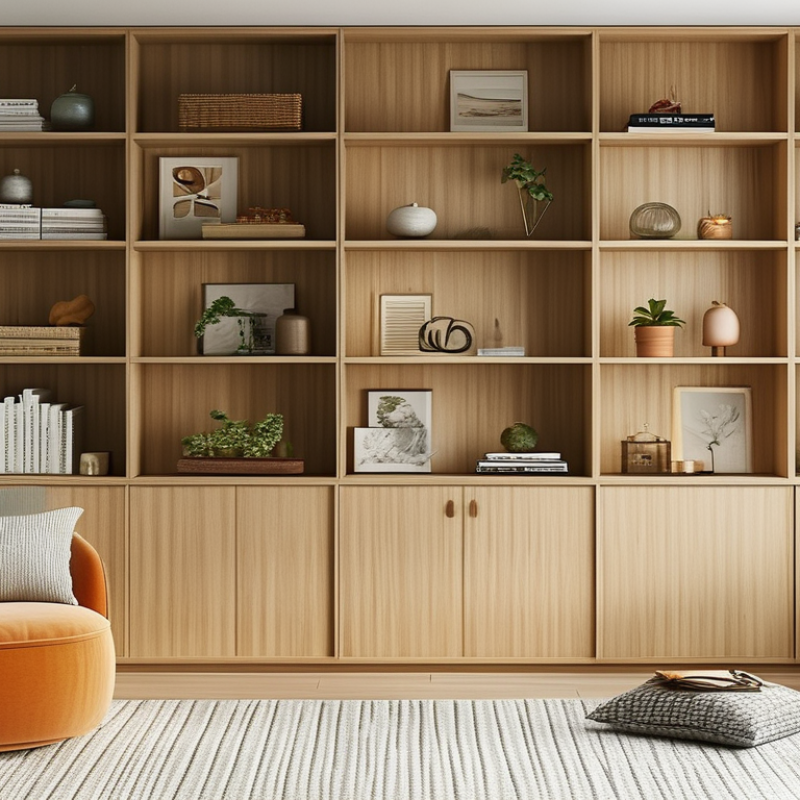
Choosing the Right Shelving: Key Factors for Aesthetic and Functionality
Choosing the right shelving is essential for both aesthetics and functionality. Consider the space available in your home. Open shelves create a sense of airiness, while closed cabinetry offers a clean look. Each choice impacts the feel of the room. Select shelves that complement your decor style. For a modern look, consider minimalist designs. Rustic shelves might enhance a cozy, traditional space.
Think about the materials too. Wood brings warmth, while metal adds an industrial touch. Reflect on how weighty items will be stored. Shelves should support your decorative crafts without sagging. Ensure you choose shelving that is easy to install and maintain. Functional shelving should hold books, plants, or art without cluttering your space.
Lighting plays a role as well. A well-lit shelf makes decorative crafts stand out. Use strip lights or small spotlights to highlight specific items. However, avoid overcrowding with too many pieces. Balance is key. What looks good on one shelf may not on another. Sometimes, less is more. Regularly evaluate your arrangement and don’t hesitate to change it up.
Incorporating Color Theory: How to Use Colors to Enhance Shelf Decor
When styling shelves, color plays a crucial role. Using colors effectively can bring a dynamic energy to your space. Start with a color scheme that reflects your personality. For example, warm colors like reds and oranges can create a cozy feel. Cool colors, like blues and greens, promote calmness. Choose a dominant color to establish a base and build around it.
Incorporating contrasting colors can add depth. A bright yellow vase can pop against a dark wooden shelf. But, balance is key. Too many contrasting colors may overwhelm the eye. Consider using neutral tones as a backdrop to let your decorative pieces shine. It might feel challenging to find the right balance. Experimenting can lead to unexpected combinations that work beautifully.
Lastly, don’t forget about texture. Mixing matte and glossy surfaces can enhance visual interest. A matte black book next to a glossy ceramic figure can create a striking display. Remember that shelf styling is a creative process. Allow yourself to rearrange and rethink your arrangements. It’s all about finding what resonates with you and your space.
10 Best Ways to Style Your Shelves With Decorative Crafts - Incorporating Color Theory: How to Use Colors to Enhance Shelf Decor
| Style Method |
Description |
Color Used |
Impact on Decor |
| Layering Textures |
Use different materials to create depth. |
Neutral tones |
Creates a calming effect. |
| Symmetrical Arrangements |
Arrange items evenly on each side. |
Cool blues |
Promotes balance and tranquility. |
| Color Blocking |
Group items by color for visual impact. |
Vibrant colors |
Adds energy and excitement. |
| Use of Greenery |
Incorporate plants for liveliness. |
Earth tones |
Enhances natural vibe and freshness. |
| Personalized Touches |
Include personal mementos. |
Warm colors |
Creates a cozy atmosphere. |
| Mixing Old and New |
Combine vintage and modern items. |
Soft pastels |
Adds character and charm. |
| Group by Function |
Organize similar items together. |
Monochrome scheme |
Creates a clean and organized look. |
| Artistic Displays |
Use art pieces as focal points. |
Bright colors |
Captivates attention and sparks conversation. |
| Utilizing Height |
Stack items to create vertical interest. |
Contrasting colors |
Promotes a dynamic arrangement. |
Balancing Proportion: Effective Techniques for Visual Harmony on Shelves
Creating visual harmony on shelves relies heavily on balancing proportions. According to recent studies in interior design, shelves can significantly affect a room's aesthetics. When styled correctly, they not only enhance decor but also create a sense of order. However, many overlook the significance of visual balance, resulting in chaotic arrangements.
When selecting items for your shelves, consider their sizes and shapes. A mix of large and small pieces can draw the eye in different directions. Aim for a balance that feels intentional. For example, pair a tall vase with a cluster of small books or accessories. This creates visual interest without overwhelming the space.
Tip: Arrange items in groups of threes or fives. This is easier on the eyes and promotes a natural flow.
Color is another crucial aspect. Utilize the 60-30-10 rule: 60% of your decor in a dominant color, 30% in a secondary hue, and 10% as an accent. This helps maintain a cohesive look. Yet, many fail to apply this concept effectively, leading to disconnected themes.
Tip: Don’t hesitate to experiment. Sometimes, an unbalanced look can spark creativity. Rearranging until you find what feels right is part of the process. It may take several attempts.
Utilizing Negative Space: Creating Depth with Empty Areas in Shelf Design
When styling shelves, it’s essential to consider negative space. Empty areas can create visual balance and highlight your decorative items. For instance, leaving some shelves empty can draw attention to unique objects. A single striking sculpture or a colorful vase can stand out more when surrounded by space.
Think about the arrangement of your items. Group similar objects while allowing gaps between them. This allows the eye to rest, making the display feel intentional. Books can be stacked diagonally with plants nearby, creating a layered effect. However, be cautious not to overcrowd. Overloading shelves often leads to visual clutter, which detracts from your crafted pieces.
Reflecting on personal style can enhance your shelf design. Consider which items hold sentimental value. Even if they don’t seem to match, their story can add depth. Striking this balance between shaped decor and open space isn’t easy. Experimentation is key; some attempts will resonate, while others might not fit your vision. Embrace the process of trial and error for a truly personalized shelf.
Incorporating Personal Touches: The Impact of Personalized Decorative Crafts
When styling your shelves, personalized decorative crafts can truly elevate your space. These crafts often carry sentimental value, making your shelves not just functional but also meaningful. A handmade photo frame can showcase cherished memories. Think about what represents you. It might be a piece of art you created or a souvenir from a memorable trip. Each item tells a story, adding depth to your decor.
Incorporating personal touches invites visitors into your world. Choose colors and materials that reflect your personality. A vibrant ceramic vase or a rustic wooden sculpture might resonate more than mass-produced items. However, it’s essential to avoid overcrowding. Too many pieces can create chaos rather than harmony. Striking the right balance makes each crafted item stand out.
Everyone’s style journey has its bumps. You might rearrange items multiple times before finding the perfect look. Take the time to step back and evaluate your choices. Reflect on how each piece aligns with your vision. This process can reveal unexpected insights and enhance your home’s aesthetic. Your shelves should feel authentic and uniquely yours.
FAQS
: Consider space, aesthetics, and functionality. Open shelves feel airy; closed cabinetry offers a cleaner look.
Wood provides warmth, while metal gives an industrial feel. Choose based on the items you'll store.
Mix large and small items. Pair a tall piece with smaller accessories for balance and interest.
Use 60% of one color, 30% of another, and 10% as an accent. This creates a cohesive look.
Incorporate items with sentimental value, like handmade crafts or souvenirs, to make your decor unique.
Avoid overcrowding with too many pieces. Balance is key to ensure each item stands out.
Regularly assess your setup. Changing items can lead to fresh perspectives and enhance your home aesthetics.
Good lighting makes items pop. Use strip lights or spotlights, but avoid overcrowding with too many items.
Yes, experimenting can spark creativity. Don’t hesitate to rearrange until it feels right, even if it takes time.
Sometimes, an unbalanced look may inspire creativity. Reflect on your choices to discover surprising insights.
Conclusion
In "10 Best Ways to Style Your Shelves With Decorative Crafts," the article emphasizes the importance of selecting the right shelving for both aesthetics and functionality, considering factors such as size, material, and placement. It further explores color theory, highlighting how strategic use of colors can enhance the visual appeal of your shelves, while balancing proportion ensures a harmonious arrangement of decorative items.
Additionally, the piece discusses the effective use of negative space, illustrating how empty areas can add depth and interest to your shelf design. Lastly, incorporating personal touches, such as unique decorative crafts, can significantly impact the overall look and feel, making your shelves not just functional but also a reflection of your personality. This comprehensive approach showcases how to style shelves with decorative crafts for a beautifully curated display.

 RUX Home Crafts