As we look ahead to 2026, the landscape of home design is evolving. Homeowners are increasingly interested in personalizing their spaces with unique decor. This movement has given rise to what we now call "Popular Home Craft Trends For Modern Homes." These trends showcase creativity and individual expression, reflecting personal style.
Crafting allows homeowners to connect with their living spaces. From handcrafted furniture to DIY wall art, these creations breathe life into homes. There's an authenticity in these pieces that mass-produced items lack. However, not every trend will suit every home. It’s essential to choose crafts that align with one's space and lifestyle. Some trends may feel overwhelming or impractical, leading to a cluttered look.
While embracing these trends, consider the balance between modernity and personal touch. Experimentation is key, but over-designing can backfire. Homeowners should focus on quality over quantity. Each piece should tell a story and resonate with the overall aesthetic. By doing this, the home becomes a true reflection of who we are.
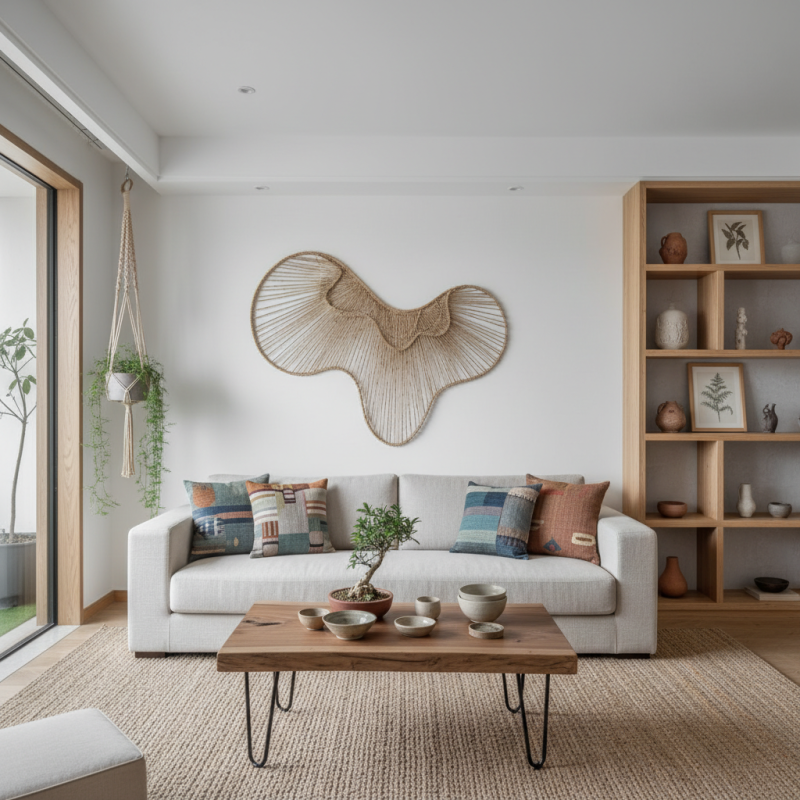
China Home Craft Trends: Overview of Popular Styles for 2026
As we approach 2026, home craft trends in China reflect a unique blend of traditional artistry and modern aesthetics. Expect to see more handcrafted wooden furniture made from local materials. These pieces often feature intricate carvings that tell stories of the region’s cultural heritage. The use of natural finishes enhances the beauty of the wood, bringing a warm, inviting feel into contemporary homes.
Sustainable and eco-friendly materials are gaining traction. Artisans are integrating bamboo, hemp, and recycled textiles into their designs. This trend is more than a style; it’s a commitment to environmental responsibility. However, sourcing these materials can be challenging. Not all artisans have access to high-quality, sustainable options. This reality calls for a deeper reflection on our choices as consumers.
Textile crafts are also evolving. Handwoven rugs and tapestries are making waves with bold colors and patterns. These unique pieces add character to minimalist interiors. Still, some may struggle to find the perfect balance between decor and functionality. This invites both makers and buyers to rethink traditional concepts of beauty and utility in home decor.
China Best Popular Home Craft Trends for Modern Homes in 2026
Sustainable Materials: The Rise of Eco-Friendly Crafting in China
In 2026, eco-friendly crafting will dominate the home decor scene in China. More people are turning to sustainable materials in their projects. This trend reflects a shift towards environmental awareness among consumers. Bamboo, reclaimed wood, and natural fibers will likely become staples in the crafting community. These materials not only look great but also minimize environmental impact.
Using sustainable materials can be a learning curve. Many crafters may feel frustrated when sourcing these items. It can be challenging to find quality eco-friendly options. Yet, the experience brings a sense of accomplishment. You can explore local markets or thrift shops for unique finds. Check for certifications to ensure materials are genuinely sustainable.
Tips: Start with small projects. Create coasters or plant holders using bamboo. These are simple and rewarding. Embrace imperfections in your crafts. They tell a story and add character. Remember, the goal is to enjoy the process while making a positive environmental impact. Emphasizing these aspects can deepen one's connection to crafting.
Technological Integration: Smart Home Craft Innovations to Watch
As smart home technology evolves, it shapes the world of home crafts. Innovations in smart design are creating unique, functional spaces. In 2026, the integration of technology into home crafting will become a staple. According to recent industry reports, 75% of homeowners express interest in DIY smart home projects. This trend indicates a shift toward personalized and tech-savvy living spaces.
Smart mirrors and adaptive lighting are just two examples of innovations making waves. These features enhance ambiance and improve energy efficiency. Homeowners now demand multifunctional decor. Craftsmanship intertwines with technology, leading to creations that serve both aesthetic and practical purposes. New materials are emerging for seamless integration, transforming traditional home decor into smart solutions.
Tips for modern home crafts:
- Start with small projects.
- Incorporate smart bulbs into existing light fixtures.
- Experiment with DIY smart mirrors for instant feedback on your morning routine.
- Use apps to design your layouts before committing to the project.
- Remember, it's essential to balance technology and creativity.
- Embrace imperfections. Every project is a chance to learn and refine your skills.
The journey of transforming your home can be as valuable as the end result.
Regional Influences: How Local Cultures Shape Home Craft Trends in 2026
In 2026, home craft trends in China reflect deep-rooted regional influences. Local cultures uniquely shape the aesthetics and functionality of modern homes.
In northern regions, for instance, craftsmanship embraces bold, geometric patterns. These designs pay homage to traditional architecture while integrating contemporary styles.
Southern provinces showcase a softer approach. Here, artisans blend bamboo and silk to create harmonious living spaces.
The emphasis on natural materials improves indoor air quality. Many residents prioritize sustainability, contributing to a growing trend of eco-conscious homes.
Unique local motifs tell stories, yet, some may struggle to balance modernity with tradition.
This interplay between heritage and innovation sparks rich dialogue in communities. However, not all experiments succeed.
Some modern adaptations might lose authenticity. In the quest for contemporary elegance, distinctive local flavors may risk dilution.
Finding that balance remains a challenge for many artisans. Embracing these regional influences ensures homes reflect both cultural identity and modern needs in 2026.
Market Insights: Statistics on Consumer Preferences in Home Craft Industry
As we look ahead to 2026, the home craft industry in China is showing exciting trends driven by evolving consumer preferences. According to a recent report by the Home Craft Association, approximately 68% of consumers in urban areas are leaning towards handmade items. These preferences reflect a growing desire for unique and personalized touches in modern homes. A significant 52% of surveyed individuals believe that home crafts enhance their living spaces and well-being.
Tips: Consider creating sustainable crafts. Eco-friendly materials resonate with 45% of consumers, making them a smart choice. Crafting with recyclable items not only benefits the environment but also satisfies the consumer call for unique home aesthetics.
Interestingly, market statistics reveal that DIY kits are becoming popular among younger generations. Around 57% of consumers aged 18-30 actively seek these kits. They appreciate the opportunity to engage in hands-on activities while personalizing their decor. However, this trend may also lead to challenges, such as varying skill levels among crafters. Quality and simplicity in DIY kits can attract a broader audience and bridge these gaps.
Tips: Focus on user-friendly instructions. Clear guidelines can elevate the crafting experience, meeting varying skill levels and enhancing customer satisfaction.
FAQS
: Handcrafted wooden furniture and sustainable materials like bamboo and hemp are trending. They add character and warmth.
Sourcing can be tough. Explore local markets or thrift shops for unique, eco-friendly options. Check for certifications.
Access to high-quality sustainable materials can be limited. This invites reflection on our consumer choices.
Handwoven rugs and tapestries are emerging. Their bold colors and patterns enhance minimalist interiors.
Start with simple items like coasters or plant holders using bamboo. They are rewarding and easy to make.
Smart home tech is integrating with crafts, creating multifunctional decor that is both aesthetic and practical.
Try incorporating smart bulbs into existing light fixtures. It’s an easy way to enhance functionality and ambiance.
Embrace imperfections. Each piece tells a story and adds character, making your craft journey more meaningful.
Balance between creativity and technology is crucial. Learning from each project makes the process enjoyable and fulfilling.
Frustration in sourcing quality options is common, but overcoming it feels rewarding and builds connection to the craft.
Conclusion
In 2026, the landscape of popular home craft trends for modern homes in China is expected to reflect a blend of sustainability, technology, and regional influences. Eco-friendly crafting materials are gaining traction, driven by a rising awareness of environmental concerns among consumers. This shift towards sustainable practices is shaping the way crafters think about their materials and the impact of their creations on the planet.
Moreover, the integration of smart technologies into home crafts is paving the way for innovative solutions that enhance convenience and functionality. As local cultures and traditions continue to influence design choices, the diversity in home craft styles is likely to grow. Market insights reveal a higher consumer preference for personalized and unique home decor items, indicating a vibrant future for the home craft industry in China as it embraces these evolving trends.

 RUX Home Crafts