China Top 10 Artisan Craft Trends for Home Decor

Time:2026-09-15 Author:Henry
0%

China’s interior market is moving toward warmer, more personal spaces. Handmade screens, carved wood, woven baskets, ceramic lamps, and embroidered textiles now add visible character to ordinary rooms. This shift reflects wider consumer interest in authenticity, local identity, and lower-volume production.

Grand View Research estimates that the global handicrafts market reached approximately US$739.95 billion in 2022. It also projects a compound annual growth rate of 10.5% from 2023 to 2030. Definitions differ across reports, so these figures should guide direction rather than promise certainty. The UNESCO Creative Economy Outlook 2022 also highlights culture-led production as an important source of livelihoods and community value. These findings support closer attention to China’s regional workshops and material traditions.

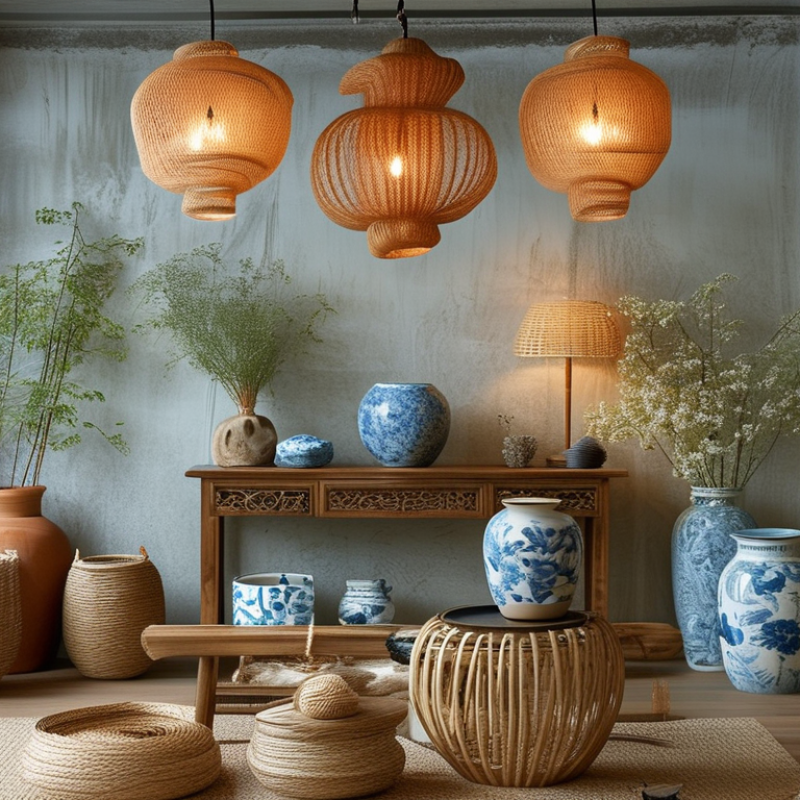
This guide examines the China Top 10 Artisan Craft Trends for Home Decor, under the broader theme of Artisan Craft Trends In Home Decoration. It focuses on practical design signals, including natural fibers, hand-finished ceramics, bamboo weaving, lacquer details, stone carving, and reclaimed timber. A woven pendant may soften a concrete dining area. A blue-and-white vessel can create a calm focal point on a narrow shelf. Small imperfections matter.

They show the maker’s hand.

However, “handmade” is not automatically sustainable or ethical. Supply chains, labor conditions, material sourcing, and finishing chemicals still require verification. Buyers should request workshop information, care instructions, and credible sustainability claims. Some trends may fade quickly, while skilled craft traditions deserve longer consideration. The most reliable choices combine visual appeal, functional durability, cultural respect, and transparent production.
China Top 10 Artisan Craft Trends for Home Decor

What Defines Chinese Artisan Craft in Home Decor

China’s artisan craft is defined by material memory, patient handwork, and regional identity. In home decor, the strongest trends include carved wood, hand-painted ceramics, woven bamboo, carved stone, lacquer, paper art, silk embroidery, forged metal, clay sculpture, and natural-dye textiles. These forms are not merely decorative. A bamboo screen may soften sunlight, while a rough ceramic vessel can make a modern room feel grounded.

In my experience studying artisan interiors, authenticity appears in small details. You may notice uneven brush lines, visible tool marks, or slight color changes in natural fibers. These differences show human judgment, not careless production. Skilled makers also understand proportion, moisture, texture, and safe household use. Yet tradition is not frozen. Some contemporary workshops simplify old patterns for smaller apartments. I find this practical, though a few designs lose too much cultural context. That tension deserves honest reflection.

Tips: Choose one focal craft instead of filling every surface. Ask about the material’s origin, finishing method, and care requirements. Place woven pieces away from strong humidity. Test dark lacquer near natural light, because its color may appear deeper than expected. I once selected a beautiful carved panel without checking its scale. It overwhelmed the room. Measure first. Respect the flaw, but question the fit.

China Top 10 Artisan Craft Trends for Home Decor

What Defines Chinese Artisan Craft in Home Decor?

These ten craft traditions are widely associated with Chinese decorative arts and remain relevant to contemporary interiors through furniture, wall art, lighting, ceramics, textiles, screens, and decorative objects.

The chart compares approximate years of documented or archaeological history, rather than sales, market share, or brand performance. Dates are rounded historical estimates based on commonly cited heritage and museum records.

The Ten Leading Chinese Craft Trends for Modern Homes

Modern Chinese homes are bringing traditional handwork into calmer, more practical interiors. Ten leading Chinese craft trends are shaping this change: bamboo weaving, carved wood, painted lacquer, porcelain accents, paper cutting, silk embroidery, clay pottery, stone carving, metal filigree, and rattan furniture. These crafts add texture without making a room feel crowded. Bamboo baskets can soften a concrete shelf, while carved wood panels create gentle shadows near a dining area. Hand-painted lacquer boxes also provide small, useful color points.

Porcelain works well as a lamp base or wall detail. Paper cutting brings delicate patterns to windows and screens. Silk embroidery can introduce landscapes, flowers, or quiet geometric forms.

Clay pottery feels warmer when its uneven rim remains visible. Stone carving suits entryways, especially with simple lighting. Metal filigree adds a fine, reflective layer. Rattan furniture keeps the room breathable.

I have found that imperfect surfaces often feel more honest than flawless decoration. Still, not every traditional object fits a modern home. Some combinations can look forced.

Tips

Choose one dominant craft and support it with two smaller details. Check the material by touch, weight, and finish before buying. Natural bamboo should feel firm, not brittle.

Handmade pottery may vary slightly, and that variation is part of its character. Leave empty space around detailed pieces. Measure doorways carefully; sculptural furniture can be surprisingly difficult to move.

Ask about material care and production methods. A beautiful object loses value when its maintenance is ignored.

Materials and Techniques Behind Chinese Artisan Crafts

Chinese artisan crafts bring material knowledge into everyday home decor. Bamboo is split into narrow strips, softened with steam, and woven into baskets, lamps, and wall panels. Its pale surface shows small changes in color. Those variations are evidence of natural growth, not manufacturing flaws.

Clay remains central to many decorative traditions. Artisans shape vessels by hand or wheel, then refine the surface with slips, carving, or mineral-based glazes. Firing can deepen brown, gray, and muted blue tones. The result may include slight asymmetry. That detail deserves respect, although uneven pieces still require careful quality control for safe household use.

Silk, paper, wood, and lacquer add different textures. Silk embroidery uses fine threads to build clouds, flowers, or animal forms through layered stitches. Handmade paper often contains visible fibers and a soft, irregular edge. Woodworkers use chisels and burnishing tools, while lacquer is applied in thin coats and polished repeatedly. The process is slow. I find that appealing, but it can also encourage romantic ideas about craft. Skilled work is not effortless. It depends on training, material testing, responsible sourcing, and patience with mistakes. In a modern interior, one carved panel, woven shade, or textured vessel can provide warmth without overwhelming the room.

How Chinese Craft Trends Enhance Interior Design

China’s artisan craft trends are reshaping interior design through texture, story, and controlled contrast. Bamboo weaving, carved wood, hand-painted ceramics, silk embroidery, lacquerware, paper cutting, stone carving, copper inlay, porcelain, and rattan furniture add visible human touch. These materials soften modern rooms without making them feel overly decorated.

The 2024 Global Wellness Economy Monitor valued the wellness economy at 6.3 trillion US dollars in 2023. This growth supports interiors that feel calm and sensory.

A woven bamboo pendant filters light across a plaster wall. A carved wooden screen separates a living area without blocking airflow. Blue-and-white porcelain can create a quiet focal point beside pale linen and warm timber. Small details matter.

Sustainable craft matters too. The United Nations Environment Programme reports that resource extraction drives over half of global greenhouse gas emissions. Choosing repairable, natural, and locally sourced pieces can reduce material pressure. Still, craft is not automatically sustainable. Some finishes age poorly, and handmade production can lack consistent quality. Designers should check material origins, durability, and maintenance needs before specifying them.

That practical step is often missed. A room should show cultural respect, not merely collect decorative symbols. Chinese craft works best when its proportions, colors, and function support everyday living.

Choosing and Caring for Chinese Artisan Home Decor

China Top 10 Artisan Craft Trends for Home Decor

Choosing and Caring for Chinese Artisan Home Decor

Chinese artisan decor brings texture, history, and visible handwork into modern rooms. Current trends include carved wood, bamboo weaving, hand-painted ceramics, silk accents, and restrained lacquerware. Choose pieces with clear material details, documented workshop information, and honest photographs. A slight variation in glaze or carving is often evidence of hand production, not poor quality.

Look closely.

The UNCTAD Creative Economy Outlook 2022 reported $524.4 billion in global creative-goods exports in 2020. UNESCO also estimates cultural and creative industries provide 6.2% of global employment. These figures support craft’s economic value, but they do not guarantee responsible production. Ask whether the maker uses legal materials, stable finishes, and repairable construction. I sometimes value a perfect surface too highly; small irregularities can carry more character.

Care should match the material. Keep bamboo and wood away from radiators, kitchens, and prolonged sunlight. Maintain moderate indoor humidity, ideally around 40–60%, to reduce cracking and warping. Dust lacquer, ceramics, and carved surfaces with a soft, dry cloth. Avoid alcohol cleaners and abrasive sponges. For silk, use low light and professional cleaning when necessary. Do not soak woven items.

Placement matters.

A ceramic vessel needs a level surface and protective pads. Large wall pieces require suitable fixings, not improvised hooks. Record the purchase date, materials, and care instructions. This simple habit makes future conservation easier.

China Top 10 Artisan Craft Trends for Home Decor - Choosing and Caring for Chinese Artisan Home Decor

Rank Artisan Craft Trend Typical Materials Traditional Craft Area Best Home Uses Choosing Guide Care Instructions
1 Jingdezhen-Style Porcelain Kaolin-based porcelain clay, mineral glaze, underglaze pigment Jiangxi Province Vases, tea sets, bowls, display plates, sculptural accents Look for an even glaze, stable base, consistent wall thickness, and clearly described food safety if used with food. Hand-wash delicate pieces; avoid thermal shock, abrasive cleaners, and sudden changes from hot to cold temperatures.
2 Blue-and-White Ceramic Decoration White ceramic or porcelain, cobalt-based blue decoration, clear glaze Jiangxi and northern Chinese ceramic regions Wall plates, ginger jars, tableware, lamp bases, decorative vessels Check that the design is balanced and the rim is free from chips or sharp flaws; distinguish hand-painted variation from printed decoration. Dust with a soft cloth and wash by hand; do not use metal scouring pads or stack pieces without protective separators.
3 Yixing-Style Purple Clay Teaware Unglazed purple clay, locally sourced mineral-rich stoneware clay Jiangsu Province Teapots, tea cups, trays, quiet study or dining displays Choose a well-balanced pot with a smooth lid fit, unobstructed spout, stable handle, and honest information about clay and production. Rinse with warm water only, allow it to dry fully, and avoid detergent because unglazed clay can retain odors.
4 Bamboo Weaving Split bamboo strips, natural fibers, plant-based or water-based finishes Zhejiang, Sichuan, Fujian, and southern Chinese craft communities Baskets, pendant shades, trays, storage boxes, placemats Inspect the weave for even tension, smooth edges, secure joints, and no evidence of dampness or insect damage. Keep away from prolonged humidity and direct sun; dust gently and wipe spills immediately without soaking.
5 Rattan and Reed Furniture Rattan cane, reed, bamboo components, timber frames, natural or protective finishes Southern and southeastern China Chairs, stools, screens, baskets, bedside and occasional tables Check frame stability, evenly woven panels, smooth cane, and appropriate weight capacity for seating. Vacuum with a soft brush, wipe with a lightly damp cloth, and keep furniture away from radiators and persistently damp rooms.
6 Suzhou-Style Embroidery Silk thread, silk or fabric ground, embroidery frame, archival mounting materials Jiangsu Province Framed wall art, cushions, folding screens, textile panels Review front and back stitching, color transitions, tension, mounting quality, and whether the work is hand-embroidered or machine-made. Display away from direct sunlight, moisture, smoke, and frequent touching; use professional textile conservation for cleaning.
7 Cloisonné-Inspired Metalwork Copper body, metal wires, colored enamel, polished or plated surfaces Beijing and northern Chinese metalworking centers Vases, boxes, incense holders, bowls, small sculptural objects Look for securely attached wires, smooth enamel fields, even color, and no cracks, lifting, or exposed sharp metal. Use a soft dry cloth; avoid acidic liquids, abrasive polish, dishwashers, and prolonged contact with water.
8 Carved Wood Home Accessories Hardwood or softwood, natural oil, wax, lacquer, hand-cut or machine-assisted carving Fujian, Zhejiang, Guangdong, and other woodworking regions Wall panels, stools, trays, screens, frames, small sculptures Ask about wood type and finish; check for stable joinery, dry surfaces, smooth carving, and signs of splitting or active pests. Maintain moderate indoor humidity, avoid direct heat and sunlight, and apply only a suitable wood-care product when necessary.
9 Lacquerware Wood, bamboo, or composite core; layered natural lacquer; carved, painted, or inlaid decoration Fujian, Shanxi, Sichuan, and other lacquer traditions Trays, boxes, bowls, screens, decorative cabinets, wall accents Check for an even surface, secure decoration, clean edges, and clear guidance on whether the item is decorative or suitable for food contact. Dust with a soft cloth, avoid soaking and harsh chemicals, and protect from strong sunlight and high heat.
10 Chinese Knotting and Woven Fiber Art Silk, cotton, hemp, linen, braided cord, wooden or ceramic ornaments Nationwide practice with strong regional variations Wall hangings, curtain ties, ornaments, plant holders, gift and seasonal decor Choose tightly formed knots, symmetrical patterns, colorfast fibers, and secure hanging loops; confirm dimensions before installation. Keep dry and away from direct sunlight; dust lightly and avoid pulling, machine washing, or storing under heavy objects.
General Selection and Care Note: Prefer pieces with transparent material descriptions, accurate dimensions, safe packaging, and information about handmade variation. Natural materials may change slightly with light, humidity, and age; stable indoor conditions help preserve their appearance.

FAQS

What defines Chinese artisan craft in home decor?

It combines regional identity, material memory, and patient handwork. Uneven brush lines and tool marks often reveal human judgment.

Which Chinese craft trends suit modern homes?

Popular choices include bamboo weaving, carved wood, lacquer, ceramics, paper art, silk embroidery, pottery, stone, metal, and rattan. Choose selectively.

How can bamboo improve a room?

Woven bamboo filters sunlight and adds texture near concrete, plaster, or pale walls. Keep it away from strong humidity.

How should handmade imperfections be viewed?

Slightly uneven rims, changing colors, and visible marks can show authentic workmanship. Still, some flaws may affect function or durability.

How many craft elements should one room contain?

Choose one dominant craft and support it with two smaller details. Empty space prevents detailed objects from feeling crowded.

What should buyers check before purchasing artisan decor?

Ask about material origin, finishing methods, care needs, and production practices. Check weight, touch, scale, and surface quality.

How can carved wood or stone work in a modern interior?

A carved screen can divide a living area while preserving airflow. Stone carving suits an entryway with simple, focused lighting.

What practical mistakes should homeowners avoid?

Measure walls, doorways, and furniture paths before buying. I once chose a beautiful carved panel that overwhelmed the room.

Is handmade craft automatically sustainable?

No. Check durability, repairability, material origins, and finishing methods. Handmade production can still waste resources or age poorly.

How can craft show cultural respect?

Use patterns and materials with attention to context, proportion, and function. Decorative symbols alone may feel forced.

Conclusion

Chinese artisan craft is defined by a balance of cultural heritage, skilled handwork, natural materials, and thoughtful design. In modern homes, the leading Artisan Craft Trends In Home Decoration include carved wood, hand-painted ceramics, woven textiles, bamboo pieces, cloisonné-inspired accents, stone carving, lacquerware, paper art, metalwork, and contemporary interpretations of traditional furniture. These crafts combine history with simplicity, allowing decorative objects to add warmth, texture, and character without overwhelming a room.

Materials and techniques such as carving, weaving, glazing, painting, inlay, and hand-finishing give each piece a distinctive appearance. Chinese craft trends can enhance interior design by creating focal points, introducing organic textures, and connecting contemporary spaces with cultural storytelling. When choosing artisan home decor, consider proportion, color harmony, craftsmanship, and practical use. Proper care, including gentle cleaning, protection from excessive moisture and sunlight, and careful handling, helps preserve the beauty and longevity of these unique pieces.

Henry

Henry

Henry is a dedicated marketing professional with a profound expertise in the company's offerings. With years of experience in the industry, he possesses an impressive understanding of the market dynamics and consumer behaviors that drive success. Henry is committed to sharing his insights through......