How To Choose Crafts For Rustic Home Decor begins with understanding the room’s natural character. Rustic style feels grounded, warm, and connected to honest materials. Look for wood grain, woven fibers, aged metal, clay, leather, and stone. Each craft should add texture without making the space feel crowded. A hand-carved bowl may suit an entry table, while a rough wool throw can soften a wooden chair. Small details matter.
Consider function before appearance. A beautiful basket should still hold blankets comfortably. A ceramic vase needs a stable base and a finish that is safe for regular handling. Reliable makers usually explain their materials, construction methods, and care instructions. Check those details before buying. Provenance also matters. Crafts with clear origins often carry more meaning and support responsible production. Avoid pieces that imitate age through careless damage or unstable finishes.
Scale and balance require practical judgment. A large woven wall hanging may overwhelm a narrow hallway. Three smaller pieces could create a calmer rhythm. I have sometimes preferred an imperfect object over a polished one, but not every flaw feels authentic. Cracks, sharp edges, and weak joints deserve attention. Rustic does not mean careless. It means choosing character with confidence and restraint.
This guide will explore materials, craftsmanship, color, placement, and long-term usefulness. It will also question familiar assumptions about “natural” decor. Reclaimed wood is not automatically sustainable, and handmade is not always durable. Thoughtful choices combine visual warmth with verified quality. Your home should feel lived in, not staged. Let the crafts support that feeling.
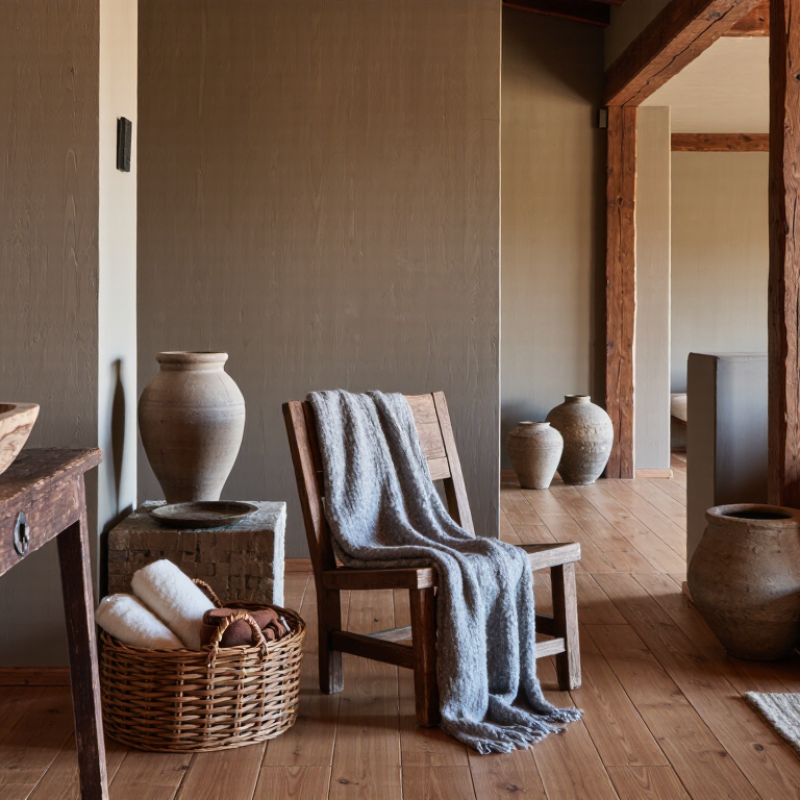
Rustic style begins with honest materials, visible texture, and practical forms. It does not mean filling a room with random old objects. Wood should show grain, knots, or gentle wear. Woven fibers add softness. Hand-shaped clay, forged metal, and stone bring useful irregularity. These details create warmth without looking manufactured.
The global home décor market was valued at about $682.9 billion in 2023 according to Grand View Research’s 2024 industry report. That scale reflects strong demand for personal, expressive interiors. For rustic decorating, choose crafts that reveal their making process. A rough oak shelf, a linen cushion with uneven stitching, or a ceramic bowl with slight tonal variation can communicate authenticity. Avoid perfectly matched sets. They often weaken the handmade feeling.
Start with function. A carved wooden stool should feel stable, not merely decorative. A basket should hold blankets, tools, or firewood. Material decisions also need practical testing. I once preferred heavily distressed finishes, but they collected dust and looked artificial under bright light. That was a useful mistake. Check joinery, surface treatment, and maintenance needs before buying. The Sustainable Furnishings Council’s industry guidance also emphasizes material transparency and durability, which supports rustic choices based on long service rather than temporary appearance. Keep the palette restrained: warm brown, muted cream, charcoal, and natural green. Then let one imperfect craft lead the room.
How to Choose Crafts for Rustic Home Decor?
Assess Room Function, Available Space, and Existing Materials
Rustic crafts should serve the room before they decorate it. In a living room, woven baskets can hold blankets, magazines, or children’s toys. In a hallway, a narrow wooden shelf may offer useful storage without blocking movement. I once chose a large wall hanging for a small entryway, and the space quickly felt crowded. Measure the wall, walkway, and furniture clearance before buying or making anything.
Available space also affects visual weight. A tall room can support a rough timber panel, while a compact room may need smaller clay vessels or linen pieces. Check existing materials carefully. Stone, aged wood, metal, and natural fiber can work together, but too many textures may look restless. I usually match one repeating element, such as warm wood tones or woven surfaces. Still, my first combinations are not always successful, so I test pieces in daylight for several hours.
Tips: Choose function first. Keep walkways clear. Limit dominant textures to two. Inspect reclaimed wood for splinters, moisture damage, and unstable joints. Use secure hardware for heavy crafts. Avoid placing untreated fiber near persistent dampness. A simple paper template can reveal poor proportions before installation. Leave some empty space; rustic style needs breathing room.
Compare each craft by room function, available space, and compatibility with existing materials. Higher scores indicate a stronger fit for a typical rustic interior.
Reading the chart: Choose crafts with high scores across all three dimensions. For example, woven baskets are practical for storage, fit well in limited spaces, and complement wood, stone, and natural fabrics.
In rustic decorating, texture often matters more than decoration alone. During room projects, I compare rough, smooth, woven, and weathered surfaces together. A hand-carved wooden bowl adds visible grain beside a coarse linen runner. Rough textures create warmth, while polished details prevent the room from feeling unfinished. I once used too many distressed objects, and the space looked dusty rather than welcoming. That mistake taught me to leave breathing room between strong textures. Choose crafts that feel pleasant in your hands, not only attractive in photographs. Check edges, joints, and finishes carefully. Well-made pieces usually age more gracefully and remain useful.
Color should support the room’s natural mood. Soft clay, moss green, warm cream, and faded brown usually blend easily with rustic materials. Use one deeper shade, such as charcoal or muted blue, to create visual weight. Shape also changes the atmosphere. Rounded baskets and uneven pottery soften a room filled with straight furniture. Angular wooden frames can add structure without becoming harsh. Consider natural origin as well. Wood, rattan, stone, wool, and dried grasses bring honest variation to the space. Look for clear material information and responsible harvesting practices when available. Natural materials may crack, fade, or absorb moisture. That is not always a flaw, but it requires realistic care. A beautiful craft can still be the wrong choice near a sink or sunny window.
How to Choose Crafts for Rustic Home Decor?
Rustic decor works best when handmade pieces feel useful, not merely displayed. I usually begin with one practical object, such as a woven basket beside a wood-burning stove. It can hold blankets, soften hard edges, and show honest texture. Choose materials that age well: unfinished wood, linen, clay, wool, or hammered metal. Inspect joins, stitching, and balance before buying. A charming craft still needs to stand securely and survive regular handling. I once chose a beautiful tall vase that blocked a lamp. It looked thoughtful in the shop, but awkward at home. Scale matters more than excitement.
Tips: Repeat one or two visual cues across the room. A rough clay finish can echo a stone hearth, while warm tan fibers can connect chairs and curtains. Keep contrast controlled. Pair a heavily carved object with plain surfaces, rather than another busy pattern. Leave breathing space around special pieces. Three small crafts may create more harmony than one crowded shelf. Test placement in daylight and at night. Colors change noticeably. Avoid matching every material; rustic rooms need variation, but too much variation becomes visual noise.
For reliability, check how an item was made and how it should be maintained. Natural fibers may need gentle vacuuming, while porous ceramics can stain. Ask whether the finish is sealed and whether replacement parts are available. Handmade does not always mean durable. That distinction deserves attention. Keep delicate crafts away from damp corners, busy walkways, and direct heat. Good decor should support daily life, not interrupt it.
A practical comparison of handmade accents for creating a warm, cohesive rustic interior.
| Craft Type | Typical Materials | Primary Visual Role | Practicality Score / 5 |
Visual Harmony Score / 5 |
Best Placement | Care Requirements | Typical Handmade Cost Range | Selection Advice |
|---|---|---|---|---|---|---|---|---|
| Woven Storage Baskets | Rattan, seagrass, willow, or reed | Adds texture while concealing everyday clutter | 5 | 5 | Shelving, entryways, living rooms, bathrooms | Dust regularly; keep dry and away from prolonged direct sunlight | $25–$120 per basket | Choose matching shapes or natural tones when using several baskets together |
| Hand-Thrown Ceramic Vases | Stoneware or earthenware clay with matte or earthy glazes | Creates a handcrafted focal point and organic silhouette | 4 | 5 | Console tables, dining tables, mantels | Wipe with a soft cloth; avoid sudden temperature changes | $35–$180 per vase | Use one large form or a group of three in varied heights for balance |
| Reclaimed Wood Signs | Reclaimed boards, water-based paint, natural wax or sealant | Introduces aged character and a personal statement | 4 | 4 | Kitchens, hallways, mudrooms, home offices | Keep away from high humidity; dust with a dry cloth | $30–$150 per sign | Limit text-heavy pieces to avoid making the room feel visually busy |
| Macramé Wall Hangings | Cotton cord, wooden dowel, and natural fibers | Softens hard surfaces and adds vertical texture | 3 | 4 | Above beds, sofas, reading corners, stair landings | Gently vacuum with a brush attachment; avoid damp areas | $40–$220 per piece | Select a size proportionate to the furniture below it |
| Hand-Carved Wooden Bowls | Hardwood such as acacia, maple, walnut, or olive wood | Provides a useful centerpiece with natural grain | 5 | 4 | Kitchen islands, dining tables, coffee tables | Hand-wash when used for food; periodically apply food-safe mineral oil | $35–$160 per bowl | Prioritize smooth edges and stable bases if the bowl will be used daily |
| Hand-Forged Metal Hooks | Wrought iron or mild steel with a protective finish | Adds understated rustic detail while supporting organization | 5 | 4 | Entryways, kitchens, bathrooms, utility rooms | Wipe dry; inspect occasionally for rust in humid areas | $15–$75 per hook | Verify wall anchors and load capacity before hanging heavy items |
| Quilted Throw Blankets | Cotton, linen, wool, or recycled fabric scraps | Adds warmth, pattern, and softness to neutral furniture | 4 | 5 | Sofas, armchairs, guest rooms, foot-of-bed benches | Follow the care label; air-dry delicate natural fibers | $60–$300 per blanket | Coordinate one dominant color with existing upholstery or flooring |
| Natural Fiber Pendant Shades | Woven rattan, bamboo, jute, or paper fiber | Filters light and creates a relaxed, layered atmosphere | 3 | 5 | Dining areas, kitchens, bedrooms, covered porches | Dust carefully; maintain safe clearance from bulbs and heat sources | $70–$280 per shade | Check electrical compatibility, ventilation, and local installation requirements |
How to Choose Crafts for Rustic Home Decor?
Rustic crafts feel convincing when they show texture, age, and useful purpose. I usually choose unfinished wood, woven fibers, clay, or hand-forged metal. Each material should connect with the room’s existing colors and light. A rough wooden bowl looks natural beside linen napkins and a stone countertop. Avoid filling every surface. Empty space lets handmade details breathe.
Arrange crafts by creating small, practical groups rather than crowded displays. Place a tall branch arrangement behind shorter pottery or woven baskets. Keep frequently used items within easy reach. Dust wood and ceramic pieces with a soft, dry cloth each week. Wipe metal carefully, then dry it immediately to reduce moisture marks. Check fragile joints and loose fibers during seasonal cleaning. I once placed a delicate basket near a busy doorway, and its rim quickly became misshapen. That mistake changed how I judge both beauty and placement.
Rustic decor should evolve as the home changes. Move a clay vase from a shelf to a dining table when the room needs warmth. Rotate smaller crafts every few months to prevent visual fatigue. Repair minor cracks only when the repair remains safe and suitable for the material. Some flaws deserve attention. Others add character. Still, I have kept pieces too long simply because they felt sentimental. Reviewing each craft honestly can reveal when it no longer serves the room. A simpler arrangement may feel more authentic.
Rustic decor uses honest materials, visible texture, and practical forms. Wood may show knots or gentle wear. Handmade irregularity matters.
Start with its function. A basket should hold blankets, tools, or firewood. A stool should feel stable. Beauty alone is not enough.
Unfinished wood, linen, clay, wool, woven fibers, stone, and forged metal work well. Their textures should feel natural, not artificially aged.
Leave empty space around important pieces. Limit dominant textures to two. Three small crafts may look calmer than one crowded shelf.
Notice the room’s stone, wood, metal, and natural fibers. Repeat one element, such as warm wood or woven texture. Avoid matching everything.
Measure walls, walkways, furniture clearance, and shelf depth. A paper template can reveal poor proportions before installation.
Inspect joins, stitching, balance, and surface treatment. Test whether it stands securely and survives regular handling. Handmade does not always mean durable.
Check whether finishes are sealed. Natural fibers may need gentle vacuuming. Porous ceramics can stain. Keep delicate pieces away from dampness and direct heat.
Avoid heavily distressed finishes that collect dust or look artificial. I still misjudge scale sometimes. Bright daylight can expose false-looking wear.
Pair one busy craft with plain surfaces. Echo a clay finish beside a stone hearth. Keep color restrained with brown, cream, charcoal, and muted green.
How To Choose Crafts For Rustic Home Decor begins with understanding the style’s defining qualities: warmth, simplicity, natural materials, visible texture, and a sense of handcrafted character. Start by considering each room’s purpose, available space, lighting, and existing elements such as wood, stone, metal, or woven surfaces. These details can guide your choices and help prevent decorations from feeling crowded or disconnected.
Select crafts that complement the room through earthy colors, organic shapes, tactile surfaces, and materials inspired by nature. Handmade baskets, carved pieces, pottery, textile accents, and reclaimed-looking objects can add personality while remaining practical. Aim for balance by combining decorative details with useful items and repeating a few textures or tones throughout the space. Arrange crafts in varied heights and small groupings, leaving enough empty space for a calm appearance. Regular dusting, careful handling, and occasional rearrangement will preserve their beauty and allow your rustic decor to evolve naturally over time.
RUX Home Crafts