How To Choose Eco Friendly Home Crafts starts with looking beyond attractive photos and green labels. A woven bamboo basket, a hand-painted ceramic bowl, or a cotton wall hanging can feel thoughtful, but its impact depends on how it was made. For crafts sourced from China, ask suppliers about material origins, dyes, finishes, and packaging. Clear answers are more useful than broad claims such as “natural” or “sustainable.” Details matter.
A responsible choice balances durability, practical use, and transparent production. Check whether bamboo or rattan is responsibly sourced, whether textiles contain recycled or traceable fibers, and whether coatings have a strong chemical smell. Request product specifications or relevant test documents when available, especially for items used around food or children. Photos of workshops can add context, but they do not prove working conditions or environmental performance by themselves. Be cautious.
This guide will help buyers compare materials, evaluate supplier information, and spot vague promises. It also considers packaging, shipping, craftsmanship, and the product’s expected lifespan. Some questions may remain unanswered, and that is worth acknowledging. No single craft is impact-free. The aim is to make a better-informed choice, not to mistake a rustic finish for proof of sustainability.
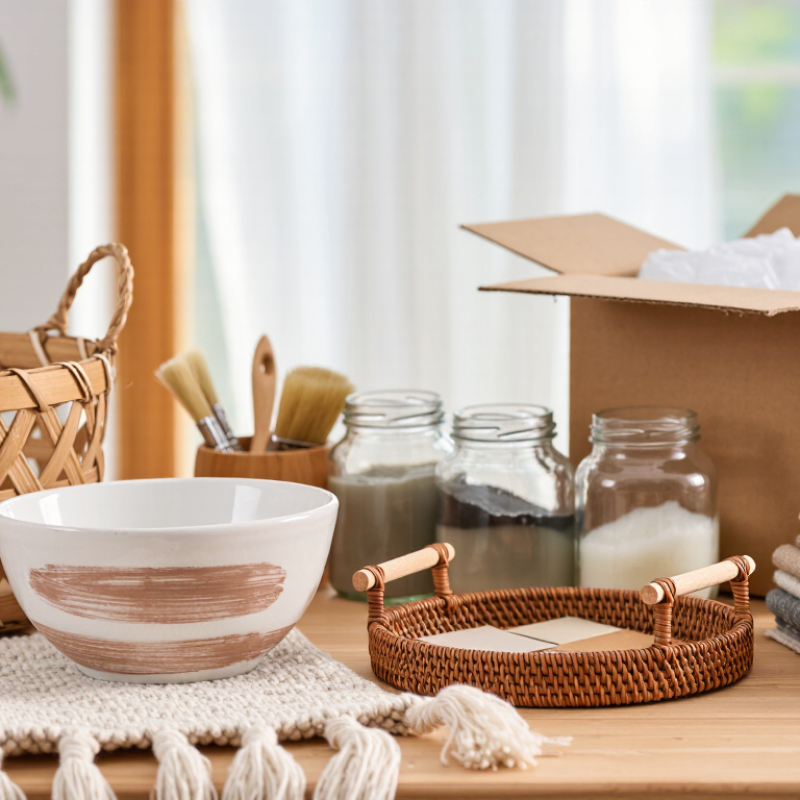
An eco-friendly Chinese home craft is more than an object made from bamboo or wood. The material’s source matters: reclaimed timber, responsibly harvested bamboo, and traceable natural fibers can reduce pressure on new resources. But “natural” does not automatically mean sustainable. Ask what the material is, where it came from, and whether scraps are reused during production. Clear answers are more useful than vague green language.
Look closely at the finish and construction. A strong glue bond, smooth edges, and a coating suited to indoor use can help an item last longer. Ask whether paints or sealants are water-based, and request relevant safety or material information when available. Handmade variation is normal; it is not proof of better environmental practices. I would not treat a rustic surface as evidence either. That distinction can be easy to miss.
Durability is part of the environmental picture. A woven basket with firmly secured strands or a wooden tray that can be repaired may stay useful for years. Consider packaging, too: minimal paper wrapping is often preferable to layers of mixed materials, though protection during shipping still matters. Check whether the seller can explain production methods and answer specific questions consistently. No single detail settles the choice. Look for evidence across materials, finishing, durability, and packaging.
How to Choose Eco Friendly Home Crafts from China?
Checking Materials, Sourcing, and Production Methods
When comparing Chinese-made home crafts, ask for exact material details, not just “natural” or “recycled.” Request wood species, recycled-content percentages, and safety information for dyes, glazes, or finishes. UNEP’s Global Resources Outlook 2024 estimates that global resource extraction grew from 30 billion tonnes in 1970 to 106 billion tonnes in 2020. Traceable inputs matter. A bamboo label alone proves little.
Ask suppliers where materials were harvested, how subcontractors are monitored, and whether batch records are available. For wood, look for credible chain-of-custody documents. For recycled fibers or metals, request records showing material inputs and outputs. Check that certificates cover the specific workshop and product. Paperwork can lag behind reality. The OECD’s Global Plastics Outlook (2022) reports that only 9% of plastic waste was recycled worldwide in 2019. Recycled-plastic claims deserve evidence, not just a green-colored tag.
Ask how kilns, drying, water use, and finishing are managed. A strong solvent smell, uneven glaze, or dusty workspace may warrant follow-up, though appearance alone cannot establish safety. Request information about wastewater treatment and energy sources, along with production-site photos or audit summaries. Handmade variation is normal, and suppliers may not yet track every impact. That gap is worth discussing.
Checking materials, sourcing, and production methods starts with understanding material impacts. This chart compares indicative cradle-to-gate embodied carbon factors for common materials, in kg CO₂e per kg of material.
Indicative generic factors from the University of Bath’s Inventory of Carbon and Energy (ICE) Database, Version 3.0; actual impacts vary with material grade, recycled content, supplier, and manufacturing. When comparing crafts, also check material traceability, durability, finishes, and production practices.
When evaluating home crafts made in China, start with the item itself, not a broad “natural” label. For a painted wooden tray, inspect the edges, underside, and areas where hands or food may touch. Ask what the coating contains and whether safety testing applies to that exact product. A faint smell is not proof of danger, but a strong, lingering odor deserves a pause.
Durability is easier to judge through construction details. Check whether woven fibers shed, ceramic rims feel evenly finished, and joints stay firm under gentle pressure. Request close-up photos and details about repair or replacement parts. I once overlooked a loose fastener in a sample; it seemed minor until repeated use made the wobble obvious. Small flaws matter.
Environmental claims need evidence with a clear scope. “Recycled” should identify which material is recycled and, ideally, its proportion; “handmade” alone says little about resource use. Ask about packaging, material origins, and independent documentation supporting the claim. Check that certificates cover the specific material or production site, not just a supplier’s general operations. The paperwork can be confusing. I still find some claims difficult to compare, so I record what each seller can actually substantiate.
When comparing eco-friendly home crafts from China, inspect construction before trusting a “natural” label. On a bamboo tray, check for tight joints, smooth edges, and a finish that does not flake after wiping. For woven baskets, look for even tension and few loose ends. Small flaws can be honest signs of handwork, but sharp splinters or unstable bases affect safety and lifespan. Ask sellers about material composition, coatings, care instructions, and whether replacement parts are available. I would not assume every plant-based material has a low impact; processing and durability matter, too.
Function should match the room. A decorative basket may not withstand damp bathroom floors, while a glazed ceramic cup needs an even rim and a stable base. Price comparisons should include dimensions, finish, packaging, shipping, and expected service life—not just the listed unit cost. OECD’s Global Plastics Outlook reports that 353 million tonnes of plastic waste were generated worldwide in 2019, and only 9% was ultimately recycled. That figure is not specific to crafts, but it supports checking whether an item avoids unnecessary plastic packaging. Ask for a clear quote. A low price can hide thin materials or rushed finishing; a higher one does not prove better workmanship. The trade-off is real. I still find it difficult to judge durability from product photos alone, so request close-up images and care details before ordering.
| Craft Type | Typical Materials and Craftsmanship | Useful For | Environmental Considerations | Care and Durability | Indicative Price (USD) |
|---|---|---|---|---|---|
| Bamboo woven basket | Bamboo strips are split, prepared, and woven by hand or with simple tools. Tightness and evenness of the weave affect strength and finish. | Storage, laundry, planters with a separate liner, and household organization. | Bamboo is a rapidly renewable grass. Ask whether the item has a coating, dye, or adhesive, and whether the bamboo was responsibly sourced. | Keep dry and wipe clean. Prolonged dampness can encourage mold or weaken the weave. | $8–$35 |
| Rattan woven accessory | Rattan canes are bent and woven into trays, lampshades, and small furnishings. Look for secure joints and consistent weaving. | Light-duty furniture, baskets, trays, and decorative lighting. | Rattan is a natural climbing palm, but sustainability depends on harvesting practices and forest management. Finishes and metal or plastic components also affect the overall footprint. | Dust regularly and avoid prolonged exposure to moisture and direct sunlight; check that joints remain firm. | $15–$90 |
| Hand-thrown ceramic | Clay is shaped on a potter’s wheel or by hand, then fired in a kiln. Handmade pieces may show small variations in shape and glaze. | Bowls, vases, tableware, and decorative objects. | Ceramic is durable and does not rely on plastic, but kiln firing uses energy. For food use, check that the glaze is intended for food contact and complies with applicable safety requirements. | Usually easy to clean, but can chip or break if dropped. Follow the maker’s care instructions for dishwasher or microwave use. | $12–$80 |
| Reclaimed-wood home décor | Previously used wood is cleaned, cut, joined, and finished into items such as shelves, frames, or small stools. Joinery and the wood’s condition are key quality indicators. | Small furniture, wall décor, shelving, and storage. | Reusing existing wood can reduce demand for newly harvested timber. Confirm that the wood is genuinely reclaimed, free of pests, and finished with a suitable low-emission coating. | Keep away from persistent dampness. Inspect joints and surface finish periodically; care needs vary by wood species and coating. | $25–$150 |
| Rush or straw-woven mat | Plant fibers are dried and woven into floor mats, placemats, or seat pads. A uniform weave and well-secured edges generally indicate careful workmanship. | Floor coverings, table settings, and breathable seat pads. | Plant-fiber products are biodegradable under suitable conditions, but dyes, backing, and synthetic bindings may affect disposal. Check whether the item is made entirely from natural fibers. | Shake or vacuum gently and keep dry. Natural fibers may fade or become brittle with prolonged sun exposure. | $10–$60 |
Price note: These are indicative retail ranges for common small-to-medium items, not fixed quotes. Size, construction, materials, finishing, shipping, and order volume can substantially change the price.
For eco-friendly home crafts from China, treat seller selection as a verification task, not a promise. Request the company’s registered name, workshop location, and recent production photos. Ask for a written materials list. Is the wood solid, reclaimed, or composite? What finish is used? Small details matter.
Request dated test reports or certification records, then check the issuer, product scope, and validity directly. Match the report’s product description to the item you plan to buy; a document for a similar-looking product is not enough. The European Commission’s 2021 website sweep found that 42% of reviewed environmental claims appeared potentially false, deceptive, or exaggerated. Ask for evidence behind claims such as “natural,” “recycled,” or “low-impact.”
The World Bank’s What a Waste 2.0 estimated 2.01 billion tonnes of municipal solid waste worldwide in 2016, with at least 33% not managed safely. That figure covers all waste, not craft products, but it makes packaging worth checking. Ask how many packaging layers protect a small ceramic bowl, whether spare parts are available, and how the item should be maintained. A seller’s answer may be incomplete; compare it with sample photos, written specifications, and purchase documents before placing a large order.
Check the edges, underside, and places that may touch hands or food. Ask what the coating contains and whether testing covers that exact product. A faint smell proves little. A strong, lingering odor deserves a pause.
Look for firm joints, smooth edges, evenly finished ceramic rims, and woven fibers that do not shed. Press joints gently. Ask for close-up photos and repair details. I once missed a loose fastener; repeated use made the wobble obvious.
Ask which material is recycled and what proportion it contains. “Handmade” alone does not explain resource use. Check that documents cover the specific material or production site. Paperwork can be confusing.
Ask for a written materials list, workshop location, and recent production photos. Check whether wood is solid, reclaimed, or composite. Ask what finish is used. Small details matter.
Compare dimensions, finish, packaging, shipping, and expected service life—not only unit cost. A low price may hide thin materials or rushed finishing. A higher price proves little.
Match the material and construction to its setting. A decorative basket may not handle a damp bathroom floor. A ceramic cup should have an even rim and stable base.
Ask how many layers protect the item and whether unnecessary plastic can be avoided. For a small ceramic bowl, request a clear packaging description. Packaging details are easy to overlook.
Photos help, but they cannot show every flaw. Request close-ups, care instructions, and dated reports. Check the issuer, validity, and product description. I still find durability hard to judge from photos alone.
How To Choose Eco Friendly Home Crafts begins with understanding what makes a Chinese home craft environmentally responsible. Look beyond appealing descriptions and consider whether its materials are renewable, recycled, responsibly sourced, or minimally processed. The way an item is made also matters: thoughtful production can reduce waste and unnecessary packaging. Check product information for clear details about materials, sourcing, and manufacturing rather than relying on broad environmental claims.
Next, consider safety, durability, craftsmanship, function, and price together. A well-made craft should suit its intended use, feel sturdy, and offer reasonable value over time. Review any available information about finishes and care, and assess whether environmental claims are specific and supported by product details. Before purchasing, choose a seller who provides clear, consistent answers and verify the item’s dimensions, materials, and construction. These steps can help you select home crafts that are attractive, practical, and more considerate of environmental impact.

RUX Home Crafts