In today's ever-evolving world, the intersection of old and new crafts captivates many. Understanding "How To Mix Traditional And Modern Home Crafts" can bring unique charm to your space. Traditional crafts carry history and stories, connecting us to our roots. Think of intricate embroidery or classic woodwork. They offer warmth and nostalgia.
On the other hand, modern crafts introduce fresh ideas and styles. They emphasize functionality and innovation. Imagine sleek, minimalist designs that serve practical purposes. Blending these two worlds creates a vibrant tapestry of creativity. The challenge lies in merging different techniques and aesthetic values. One may struggle with balancing authenticity and contemporary flair.
The journey of mixing these crafts can lead to unique results, but it requires patience and experimentation. Embracing imperfections can bring forth unexpected beauty. It prompts reflection on personal tastes and memories. Explore this exciting path to redefine your home with a blend of tradition and modernity.
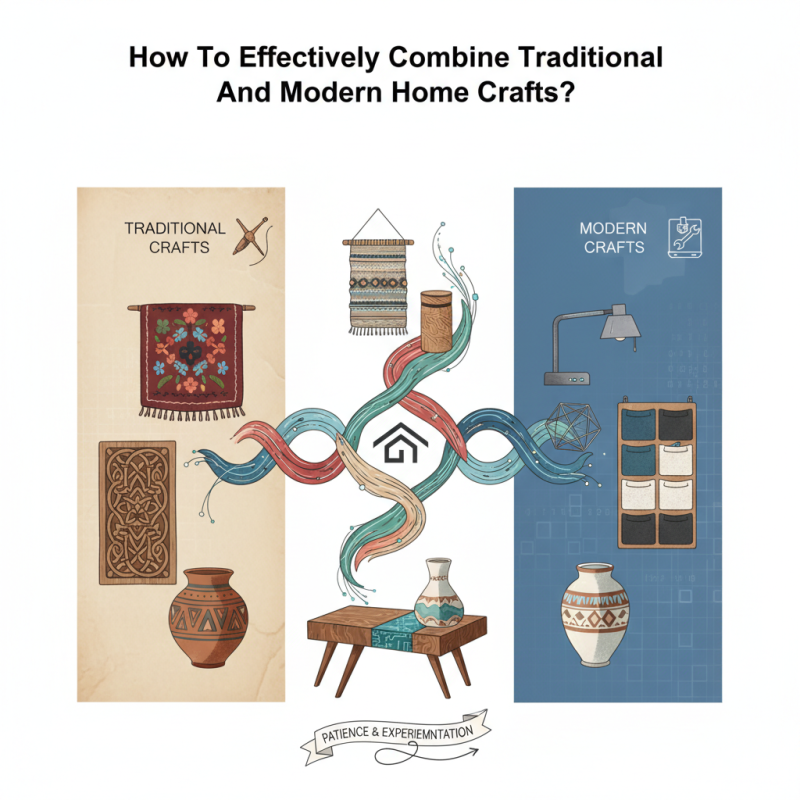
Home crafts have evolved significantly over the years. Traditional crafts often bring a sense of nostalgia and create tangible connections to our heritage. Skills like knitting, pottery, and woodworking require patience and dedication. These practices connect us to our ancestors, fostering a sense of belonging. However, traditional crafts can sometimes feel dated or less appealing to the modern eye.
On the other hand, modern home crafts focus on innovation and creativity. Techniques include upcycling materials or using digital tools to create art. These methods resonate with the current eco-conscious trend, making them popular with younger generations. Yet, modern crafts can sometimes lack the depth found in traditional techniques. Crafting today sometimes leans towards convenience, which may reduce the connection to the crafting process itself.
Combining both worlds can lead to fulfilling projects. For instance, you might incorporate traditional weaving techniques while using modern, sustainable fibers. Experimenting with various styles encourages reflection on what crafts mean to you. This approach allows for creativity while honoring the past. Balancing tradition and modernity presents a learning opportunity and a creative challenge. Each attempt may not turn out perfect, but the journey enhances both skill and appreciation for crafts.
Crafting has evolved significantly over the years. Traditional crafts often emphasize deep-rooted techniques passed through generations. These methods foster a connection with history. In contrast, modern crafts tend to incorporate contemporary materials and technology.
For example, 3D printing and digital design now play a pivotal role. This shift brings a new dimension to creativity, allowing for greater experimentation.
While both traditional and modern crafting share a passion for creativity, their approaches differ. Traditional crafts often require patience and meticulous skill. Techniques like hand-weaving or pottery-making demand time and experience. On the other hand, modern methods embrace efficiency. Quick tutorials and ready-made kits enable beginners to dive in. However, this ease can sometimes lead to a lack of depth in skills.
Blending these styles can be rewarding yet challenging. For instance, one might use a traditional knitting technique to create a piece that also features modern colors or patterns. This hybrid approach can produce unique results but may also require careful planning. The contrast in methods invites reflection on what crafting means to each individual. Balancing heritage with innovation can create beautiful contradictions and exciting new projects.
When merging traditional and modern craft materials, consideration of texture, color, and technique is key. Traditional materials like wood, clay, and natural fibers bring depth and history. They tell a story that modern materials, such as acrylics and metals, may lack. For instance, a study by the Craft and Hobby Association indicated that 40% of DIY enthusiasts prefer to integrate materials for unique aesthetics.
Experimentation is essential. Using traditional fabric with modern lighting can create stunning pieces. However, challenges arise. The fusion may not always achieve the desired effect. Crafting with both can lead to unbalanced designs. The aesthetics must complement, not conflict.
In a survey, 55% of artisans noted complications in blending these materials. Their projects sometimes lose the authentic feel of traditional crafts. Careful planning and open-mindedness are vital. It’s a journey requiring trial and error, but the results can be rewarding. The balance of old and new can yield innovative works that resonate across generations.
This bar chart illustrates the skill levels required to excel in various traditional and modern home crafts. The data highlights the comparative difficulty of mastering different crafts, showcasing the blend of old techniques and new technologies in crafting.
Combining traditional and modern home crafts can lead to unique and creative projects. Start with upcycling old materials. Transform an antique frame with contemporary art. This blend creates visual interest and tells a story.
Using mixed media is also effective. Combine paper crafts with digital prints. Create a collage that merges hand-drawn elements with sleek, modern design. The contrast can be striking and engaging.
Tips: Experiment with textures. Pair smooth, modern finishes with rustic materials. This duality can elevate your project. Embrace imperfection, too. Not every piece needs to be flawless. Sometimes, the most captivating crafts have a touch of human error. Let your creativity shine through the process.
Combining traditional and modern home crafts can be a rewarding yet challenging endeavor. One common hurdle is balancing techniques. Traditional crafts often require a slow, meticulous approach. Modern crafts tend to embrace speed and efficiency. Finding ways to integrate both styles requires patience. Experimenting with various tools helps streamline the process while maintaining craftsmanship.
Another challenge is aesthetics. Traditional crafts emphasize intricate designs. Modern styles often favor minimalism. Blending these can lead to tension. Aim to merge patterns gracefully. For example, use traditional embroidery in a modern frame. This contrast can highlight the unique aspects of both crafts. It's important to embrace imperfections during this journey. Not every combination will succeed. Reflecting on what works well and what doesn’t can lead to valuable insights. Crafting is about exploration, and each attempt teaches something new.
| Craft Type | Technique | Materials Used | Challenges Encountered | Solutions |
|---|---|---|---|---|
| Knitting | Pattern Mixing | Wool, Acrylic | Color Clashes | Use Complementary Colors |
| Woodworking | Incorporating Technology | Wood, Electronic Components | Difficulty in Design Integration | Prototyping with CAD Software |
| Ceramics | Mixing Styles | Clay, Glazes | Firing Issues | Test Small Batches |
| Painting | Mixed Media | Acrylics, Pastels | Textural Conflicts | Experiment with Techniques |
| Stained Glass | Contemporary Designs | Glass, Lead | Safety Concerns | Use Protective Gear |
: Traditional crafts include skills like knitting, pottery, and woodworking. They connect us to our heritage.
Traditional crafts may seem dated to modern audiences. They can feel less exciting or innovative.
Modern home crafts focus on creativity and innovation. They often use upcycled materials and digital tools.
Modern methods might lack the depth of traditional techniques. Sometimes, convenience overshadows the crafting process.
Mixing both requires careful planning. Using traditional techniques with sustainable modern materials can be rewarding.
Pairing traditional materials like wood with modern elements enhances aesthetics. However, balance is crucial to avoid clashes.
Yes, many artisans find it hard to maintain the authentic feel of traditional crafts. It's a journey of trial and error.
Upcycling an antique frame with modern art is one idea. This creates unique visual interest and tells a story.
Embrace flaws as part of the creative process. Many captivating pieces come from moments of human error.
Experimentation is key. Mix textures and styles to discover what resonates with you.
In the exploration of "How To Mix Traditional And Modern Home Crafts," this article provides a comprehensive guide to harmonizing different crafting styles. It begins by introducing the characteristics of both traditional and modern home crafts, highlighting their unique attributes while identifying commonalities that can foster creativity. The discussion progresses to techniques for merging various materials associated with these crafts, emphasizing the blend of historical techniques with contemporary innovations.
Creative project ideas are then suggested to inspire crafters to experiment with this hybrid approach, allowing for originality and personal expression. Finally, the article offers practical tips for overcoming any challenges that may arise during the crafting process, ensuring that both novice and experienced crafters can successfully combine their skills. This guide serves as a valuable resource for those looking to enrich their crafting repertoire by merging the old with the new.

RUX Home Crafts