How to Decorate Small Spaces With Handmade Crafts in 2026?

Time:2026-11-04 Author:Henry
0%

A small room can feel personal without becoming crowded. In 2026, handmade decor offers a practical way to add color, texture, and meaning while working with limited floor space. How To Decorate Small Spaces With Handmade Crafts is less about filling every corner and more about choosing pieces that serve a clear purpose. Think of a wall-hung woven basket, a fabric-covered storage box, or a small framed print above a narrow desk. Each can bring character without taking up valuable walking space.

Less can feel better. A useful starting point is to measure the area, notice where daylight falls, and choose materials that suit the room’s daily use. Lightweight wall art, folded textiles, and compact planters can add warmth, but even a handmade piece may look busy if its colors compete with nearby patterns. That part takes judgment. This guide explores scale, placement, color, and simple craft ideas for renters and homeowners alike. It also considers storage, durable materials, and ways to make decorations easy to move or clean. Start with one. A removable hanging or a small stitched cushion cover can reveal whether a new texture feels right before you make more. Not every project will fit the room as imagined, and that is worth reflecting on; a little empty space often helps a handmade detail stand out.
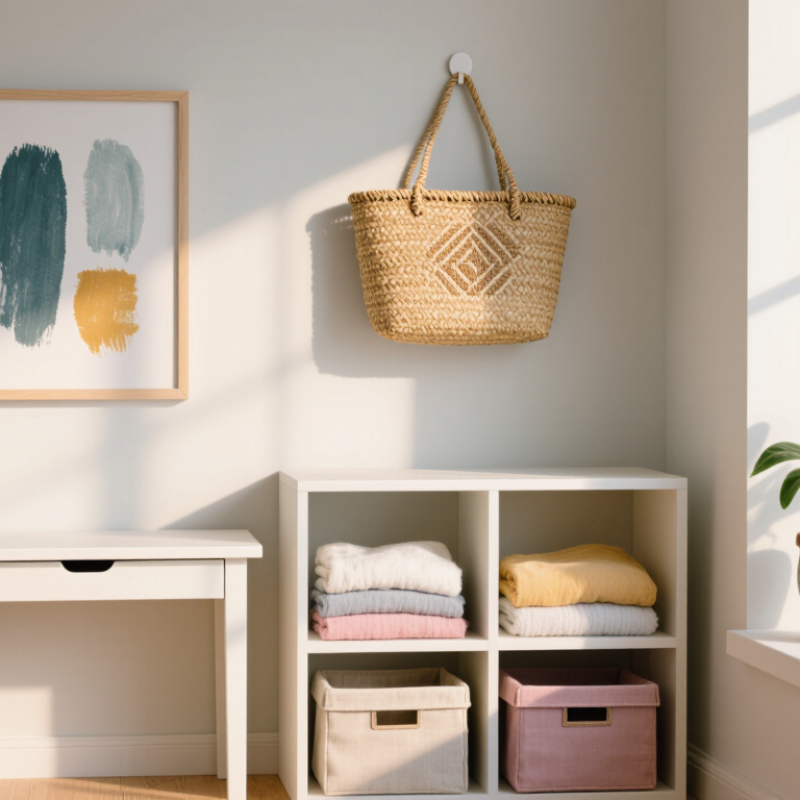
How to Decorate Small Spaces With Handmade Crafts in 2026?

Assess the Space, Its Layout, and Everyday Needs

Before choosing handmade décor, measure the room and note what already feels crowded. Record the width of walkways, the height of shelves, and where doors swing open. A small sketch can reveal awkward corners that photographs hide. Leave enough space to pass comfortably, especially near beds, desks, and kitchen counters. Small details matter.

Watch how the room works during an ordinary day. Where do keys land? Does sunlight reach the wall above the sofa, or would a fabric piece fade there? A wall pocket, narrow hanging planter, or small woven panel may add interest without taking up floor space. Match each craft to a real need, such as holding mail or softening a bare entryway. Keep heavier pieces securely mounted, and avoid placing delicate objects where they could be knocked down.

Test the layout before making anything permanent. Use paper cutouts or painter’s tape to mark a piece’s intended size on the wall. Live with the outline for a day. It may feel too large. I have sometimes planned a clever display, only to find it blocked a switch or made a room feel busier. That is useful information, not failure. Choose a few pieces that suit your routines, and let open space remain part of the design.

Choose Handmade Crafts That Fit the Room’s Scale

In a small room, handmade decor works best when its size respects the furniture around it. A palm-sized ceramic bowl can add color to a narrow shelf without crowding the books. Above a compact sofa, one woven wall hanging may feel calmer than a row of tiny pieces. Measure the wall and nearby furniture before choosing. Even a beautiful craft can look heavy in the wrong spot.

Consider visual weight, not just dimensions. A pale paper lantern may feel airy, while a dark, densely stitched textile can dominate the same corner. Leave breathing room around objects, and repeat a material or color to make a small collection feel intentional. Two hand-thrown cups on an open kitchen ledge may read as a pair; six can compete with everyday dishes. Less can feel warmer.

Choose pieces that suit the room’s use. A shallow woven tray can gather keys, while a small framed print can draw the eye upward. Check hanging hardware and shelf depth, especially for heavier clay or wood. Scale is partly personal, and a tiny object may disappear beside a lamp or plant. Try the craft in its intended spot for a day, then move it if the room feels pinched. Not every empty patch needs filling.

Create or Adapt Crafts with Space-Saving Features

Small rooms benefit from crafts that change shape or serve more than one purpose. A shallow wall pocket made from fabric can hold mail without taking up floor space. Add a stiffened back and two loops, then hang it from a secure hook. Keep the pocket narrow; bulky contents can make it sag. Check the wall material before choosing a hook or fastener.

A folding bedside ledge is another useful project. Cut a small board, smooth its edges, and attach a compact hinge so it can rest flat against the wall when unused. A removable cord or chain can support the open shelf. Test the hardware with a light load before placing a cup or lamp on it. Small details matter. Sanding dust and uneven cuts are easy to overlook, but they affect both finish and fit.

Try crafts that store inside each other, too. Nesting fabric baskets can hold yarn, cables, or everyday items, then tuck beneath a chair. Measure the storage spot before sewing; even a few extra centimeters can make a basket frustrating to put away. I would not make every piece foldable or hidden. One clever feature can help, while too many hinges and ties may turn a simple object into a chore.

Arrange Crafts to Add Function, Texture, and Visual Depth

In a small room, handmade crafts work best when they earn their place. A shallow woven basket can hold keys beside the door, while a stitched cushion softens a narrow bench. Keep useful pieces within easy reach and display delicate objects higher. I once filled a shelf with tiny keepsakes; it looked cluttered, not collected. Leave some space around each piece. Small changes matter.

Tips: Group objects in odd numbers, but keep the arrangement loose. Pair smooth ceramic with rough fibers or carved wood. Check the display from the doorway, then remove one item if it feels crowded.

For visual depth, vary the height and distance of your crafts. Hang a small textile slightly above a low cabinet, then place a handmade bowl near its front edge. That overlap creates layers without taking up floor space. A lamp can bring out woven texture after sunset, though bright light may flatten subtle colors. Try one arrangement for a few days before fixing hooks or moving furniture. It may still feel imperfect—and that can be useful feedback.

How to Decorate Small Spaces With Handmade Crafts in 2026

A practical starting point, not survey data: prioritize wall-mounted crafts to preserve floor space, then balance useful textiles and pottery with a smaller share of flat artwork. Vary materials and heights to add texture and visual depth without crowding the room.

Refresh the Display as the Space and Seasons Change

A handmade display should change with the room, not compete with it. Keep a small “seasonal edit” box under a bed or inside a closet. Swap in a few pieces: a woven bowl for autumn, pressed leaves in a frame for spring, or a pale fabric runner for summer. Leave some shelf space empty. It gives the eye a place to rest.

The National Association of Realtors’ 2023 Profile of Home Staging found that 81% of buyers’ agents said staging helped buyers picture a property as their future home. The same report says 58% of sellers’ agents recommended decluttering. These findings concern home staging, not handmade crafts, but they support a useful rule: edit before adding. Try grouping three small objects on a tray, then remove one if the arrangement feels crowded.

Let use guide each refresh. Move a wall hanging when a door swings into it, or trade a tall vase for a low bowl when the table gets busy. Take a quick phone photo before changing anything; it can reveal visual clutter you missed in person. Some arrangements will look awkward at first. That is feedback, not failure. Keep the pieces that still feel useful, and store the rest where they will not become another pile.

FAQS

How can handmade crafts be useful in a small room?

Choose pieces that do a job. A shallow woven basket can hold keys, while a stitched cushion softens a narrow bench.

How do I keep a craft display from looking cluttered?

Leave space around each object and try grouping three pieces on a tray. Remove one if the shelf feels crowded. Leave breathing room.

How can I add visual depth without using floor space?

Vary the heights and distances. Hang a small textile above a low cabinet, then place a bowl near its front edge.

Which textures work well together?

Pair smooth ceramic with rough fibers or carved wood. The contrast adds interest, though too many textures may feel busy.

How should I arrange delicate or fragile crafts?

Keep delicate pieces higher, away from busy surfaces and swinging doors. Check that each item feels secure.

How often should I refresh a handmade display?

Adjust it when the room or season changes. Try a woven bowl in autumn or a pale fabric runner in summer.

How can I tell if an arrangement looks crowded?

View it from the doorway, or take a quick phone photo. The picture may reveal clutter you missed in person.

What should I do if a new arrangement looks awkward?

Give it a few days, then change one thing at a time. It may still feel imperfect. That is useful feedback.

Conclusion

How To Decorate Small Spaces With Handmade Crafts begins with understanding how a room is laid out and used each day. Notice where people move, what needs to be stored, and which areas could benefit from added color or texture. Choose handmade pieces that suit the room’s scale, favoring thoughtful details over bulky decorations that crowd shelves, walls, or walkways.

Make crafts work harder by adapting them for compact living, such as creating wall-mounted displays or decorative items with useful storage. Arrange each piece to add character and visual depth while keeping everyday functions and clear surfaces in mind. A balanced mix of textures, heights, and materials can make a small room feel inviting without overwhelming it. Finally, refresh the display as your needs or the seasons change, rotating handmade accents to keep the space feeling personal, flexible, and uncluttered.

Henry

Henry

Henry is a dedicated marketing professional with a profound expertise in the company's offerings. With years of experience in the industry, he possesses an impressive understanding of the market dynamics and consumer behaviors that drive success. Henry is committed to sharing his insights through......