Top Decorative Crafts to Refresh Home Interiors

Time:2026-10-10 Author:Henry
0%

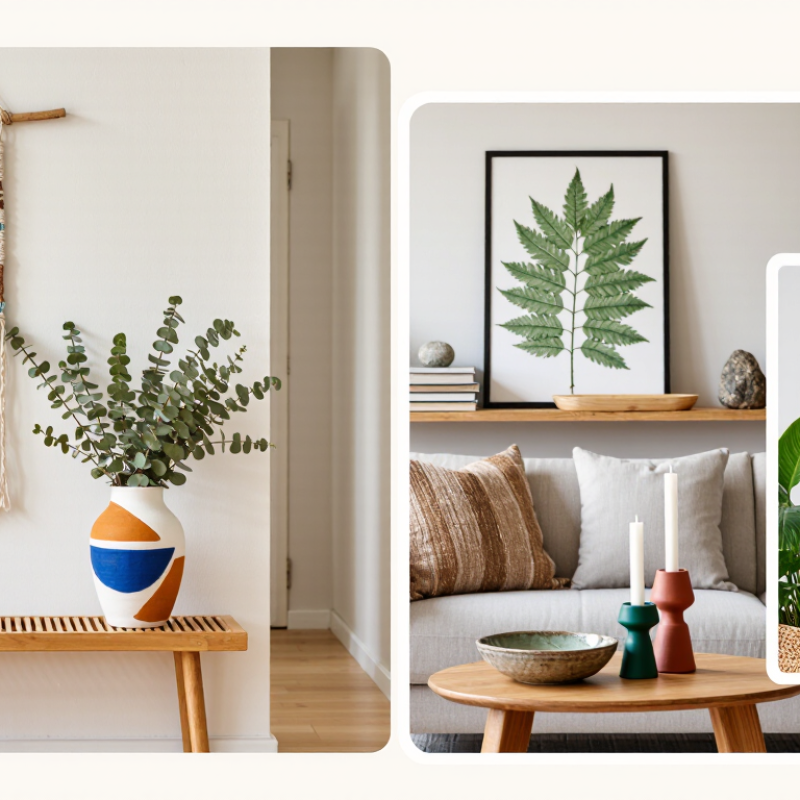
Refreshing a home does not always require new furniture, major renovations, or a generous budget. Decorative crafts can change how a room feels through color, texture, shape, and light. A handwoven wall hanging may soften a bare hallway, while a painted ceramic vase can bring warmth to a quiet shelf. These details create visual interest without overwhelming the space.

This guide explores How To Refresh Home Interiors With Decorative Crafts, using practical ideas suitable for bedrooms, living rooms, kitchens, and entryways. It considers proportion, material quality, maintenance, and placement rather than focusing only on appearance. Natural fibers, responsibly sourced wood, glazed ceramics, and durable textiles can offer both character and long-term value. Always check finishes and adhesives, especially in homes with children, pets, humidity, or limited ventilation.

Small changes matter.

From framed botanical prints to sculptural candleholders, each craft can support a room’s existing style. Experienced decorators often recommend repeating one color or material across several objects, creating connection without making the room feel staged. Still, personal taste is not perfectly predictable. A carefully chosen piece may look different under evening light, or feel too strong after a week. That is useful feedback, not failure. Try moving it, reducing nearby objects, or pairing it with a quieter texture. The best interiors usually develop gradually, through observation, adjustment, and a few honest mistakes.
Top Decorative Crafts to Refresh Home Interiors

Types of Decorative Crafts for Home Interiors

Decorative crafts bring texture, warmth, and human character into home interiors. Their small imperfections often make a room feel lived in.

Ceramic vases suit shelves, consoles, and dining tables. Choose one with a rough glaze beside smooth timber for useful contrast. Hand-carved wooden bowls add natural warmth, even when left empty. Woven baskets can store blankets while contributing soft patterns and visible texture. These crafts are practical, not merely decorative.

Wall crafts create strong visual focus without consuming floor space. Embroidered panels, woven hangings, carved plaques, and pressed botanical art offer different levels of color and depth. Metal sculptures introduce crisp lines and subtle reflection. Glass ornaments catch daylight near windows, but they need stable placement and careful cleaning. Paper crafts, such as folded forms or layered artwork, feel light and flexible. They also need protection from moisture and direct sunlight.

I once placed too many woven objects together. The room looked busy rather than welcoming. Spacing matters. A useful approach is combining three textures, such as glazed ceramic, pale wood, and coarse linen. Check each object’s weight, finish, and maintenance needs before buying it. Handmade pieces may vary in size or shape. That is not always a flaw. Still, weak joints, unstable bases, or peeling finishes deserve attention. A craft should support the room’s daily use, not create another fragile task.

Top Decorative Crafts to Refresh Home Interiors - Types of Decorative Crafts for Home Interiors

A practical comparison of decorative craft types, materials, suitable spaces, and care requirements

Decorative Craft Type Common Materials Best Interior Locations Visual Effect Maintenance Sustainability Notes
Handwoven Wall Hangings Cotton, wool, linen, jute, bamboo fiber Living rooms, bedrooms, reading corners Adds texture, softness, and a handcrafted focal point Dust gently with a soft brush or low-suction vacuum Natural fibers are renewable; durability depends on weave quality
Ceramic Decorative Objects Fired clay, stoneware, porcelain, mineral glazes Shelves, consoles, mantels, dining areas Introduces sculptural form, color, and visual contrast Wipe with a damp cloth; protect from impact and freezing temperatures Long service life; fired ceramics can be reused and are generally inert
Carved Wood Décor Hardwood, softwood, reclaimed timber, natural oils Entryways, living rooms, home offices Creates warmth, organic character, and dimensional detail Keep dry; dust regularly and re-oil unfinished surfaces as needed Reclaimed or responsibly sourced wood can reduce material demand
Macramé Accessories Cotton cord, hemp, jute, wooden beads Windows, walls, plant corners, bedrooms Adds relaxed rhythm, tactile interest, and bohemian character Shake outdoors or use a cool hair dryer to remove dust Plant-based fibers are biodegradable under suitable conditions
Decorative Glass Art Blown glass, fused glass, recycled glass Windowsills, dining rooms, display cabinets Reflects light and makes compact spaces feel brighter Clean with glass cleaner and a lint-free cloth; handle carefully Glass is durable and widely recyclable where collection systems exist
Hand-Painted Decorative Panels Canvas, wood panel, paper, water-based or acrylic paint Hallways, bedrooms, workspaces, accent walls Provides color, pattern, and a personalized artistic accent Keep away from direct sunlight and moisture; dust with a dry cloth Water-based paints typically release fewer volatile solvents during use
Woven Baskets Rattan, seagrass, willow, bamboo, paper fiber Entryways, bathrooms, bedrooms, living rooms Combines natural texture with practical storage Keep ventilated and dry; brush or vacuum between woven sections Fast-growing plant fibers can be renewable when harvested responsibly
Pressed Botanical Art Dried leaves, flowers, paper, glass, archival adhesive Bedrooms, hallways, study areas, quiet corners Brings delicate natural forms and calm, understated color Avoid humidity and strong sunlight; clean the frame rather than the plants Uses small quantities of natural material and can be framed for long-term display

Choosing Crafts by Room, Style, and Available Space

Top Decorative Crafts to Refresh Home Interiors

Choosing Crafts by Room, Style, and Available Space

A living room suits larger handmade pieces, such as woven wall panels or carved wooden bowls. Choose one focal craft, not five competing objects. In a small room, use vertical displays to preserve floor space. I have found that natural textures soften sharp furniture and make empty corners feel intentional. Measure the wall first. A beautiful piece can still look cramped.

Bedrooms benefit from quiet crafts, including stitched cushions, ceramic lamps, and small framed prints. Keep colors restrained for a calmer atmosphere. For a modern style, select simple forms with clean edges. Rustic rooms welcome rough wood, linen, and hand-shaped pottery. The finish matters. Glossy objects may feel too active beside soft bedding. A matte surface often works better.

Kitchens need decorative items that tolerate heat, moisture, and frequent cleaning. Try glazed pottery, woven baskets, or small wooden utensils displayed away from the stove. Bathrooms have less space, so shallow wall crafts are more practical than bulky sculptures. Consider balance, too. I once chose a basket that was attractive but impractical; it collected dust and blocked a cabinet door. Available space should guide the craft, not the other way around. Leave breathing room between pieces, even when the style encourages abundance.

Selecting Materials, Colors, and Textures for Visual Harmony

Top Decorative Crafts to Refresh Home Interiors

Refreshing a room begins with materials, not decoration alone. Natural materials often create a calmer visual foundation. Try pairing warm oak with hand-shaped ceramic or woven linen. Their small irregularities add character without making the room feel busy. I once matched every surface too closely. The result looked tidy, but strangely lifeless.

Color should respond to natural light. Soft clay, muted olive, and warm cream usually work well in rooms with morning sunlight. Cooler spaces may benefit from sand, pale blue, or gentle gray. Test samples beside windows at different times. Colors can change dramatically by evening. Keep one dominant tone, one supporting shade, and a restrained accent. This simple ratio helps decorative crafts feel connected.

Tips: Combine three textures, such as rough pottery, smooth wood, and soft wool. Repeat one color in small objects across the room. Leave some empty space around statement pieces. Too many handmade items can compete visually. I still overdecorate sometimes, especially on open shelving. Removing one object often improves the arrangement. Choose pieces that feel pleasant to touch, not only attractive from a distance. Check their scale against nearby furniture, because a beautiful craft can appear weak when it is too small.

Arranging Decorative Crafts as Interior Focal Points

Decorative crafts can refresh a room when they receive a clear visual role. Instead of scattering objects everywhere, choose one strong focal point, such as a carved vase, textured sculpture, or handwoven wall piece. Place it where the eye naturally rests, often above a console, beside a reading chair, or on an open shelf. Keep the surrounding area quieter. This contrast gives the main object space to breathe.

Scale matters more than price. A small craft may disappear against a large wall, while an oversized piece can make a narrow room feel crowded. Use height, texture, and color to create balance. Group three related objects with different shapes, then leave visible gaps between them. My first arrangement looked attractive but felt too symmetrical. Moving one piece slightly off-center made the display feel more relaxed and lived-in. Natural light also changes the effect throughout the day, so observe the arrangement at morning and evening.

Tips: Start with one hero piece. Test its position from the doorway and seating area. Use books, trays, or low stands to create levels, but avoid hiding the craft’s best details. Dust textured surfaces gently with a soft brush. If the display feels busy, remove one object before adding another. Reflect on function, too; a beautiful piece may become frustrating if it blocks a drawer or interrupts daily movement.

Maintaining and Updating Handmade Interior Decorations

Maintaining and Updating Handmade Interior Decorations

Handmade décor deserves care, not constant replacement. The 2024 Houzz & Home Study reported that 54% of renovating homeowners expected to stay for at least 11 years. That makes long-term maintenance practical. Inspect woven baskets, carved wood, and clay pieces every season. Look for loose fibers, hairline cracks, fading, or soft wood joints. Dust with a soft brush, then use a barely damp cloth on sealed surfaces. Do not soak natural fibers. Humidity changes can warp wood and encourage mold. A stable indoor range near 40–60% helps protect many materials, according to indoor-environment guidance from ASHRAE.

Updating handmade interiors can be subtle. Move a ceramic vessel toward natural light, but avoid direct sun for fragile dyes. Group three related objects at different heights. Replace a tired cushion cover instead of discarding the whole arrangement. The Global Market Insights home décor report identifies personalization as a continuing market driver, yet personal taste can become clutter. I sometimes keep too many sentimental pieces. That is not always good design. Leave breathing space between objects, and photograph the room before editing it.

Tips: Rotate delicate decorations every few months to limit uneven fading. Add felt pads beneath ceramics and wood. Record the maker, material, and cleaning method. Test any cleaner on a hidden area first. If damage spreads, consult a qualified conservator rather than guessing.

FAQS

How can I make one decorative craft the room’s focal point?

Choose one strong piece, such as a carved vase or textured sculpture. Place it above a console or beside a reading chair. Keep nearby surfaces quiet.

How do I choose the right size for a decorative object?

Match the craft’s scale to the wall, furniture, and walking space. A small object may disappear. An oversized piece can crowd a narrow room.

How many handmade objects should I group together?

Try three related objects with different shapes or heights. Leave visible gaps between them. Perfect symmetry can feel stiff.

How can I create height without hiding craft details?

Use books, trays, or low stands beneath selected pieces. Check that the object’s best texture remains visible. Do not build a tiny tower.

Where should I test a decorative arrangement?

View it from the doorway and the main seating area. Check it in morning and evening light. The display may look different later.

How should I clean handmade interior decorations?

Dust textured surfaces gently with a soft brush. Use a barely damp cloth on sealed surfaces. Never soak natural fibers.

What indoor conditions help protect handmade decorations?

Keep humidity relatively stable, around 40–60% when practical. Changing moisture can warp wood and encourage mold. Inspect pieces every season.

When should I update or remove handmade decorations?

Remove one object if the display feels crowded. Replace a tired cushion cover instead of the whole arrangement. I sometimes keep too many sentimental pieces. That is not always good design.

How can I prevent fading and surface damage?

Rotate delicate pieces every few months. Keep fragile dyes away from direct sunlight. Add felt pads beneath ceramics and wood.

What should I do when a handmade piece becomes damaged?

Record its material and cleaning method. Test cleaners on a hidden area first. If damage spreads, consult a qualified conservator instead of guessing.

Conclusion

How To Refresh Home Interiors With Decorative Crafts begins with choosing pieces that add character, warmth, and personal meaning to a space. Options may include handmade wall art, woven baskets, ceramic objects, carved wood accents, textile decorations, and small sculptural details. The best choices depend on each room’s purpose, interior style, and available space. Compact rooms benefit from practical or wall-mounted crafts, while larger areas can support layered displays and statement pieces.

Visual harmony comes from coordinating materials, colors, and textures without making the room feel repetitive. Natural fibers, smooth ceramics, warm wood, and textured fabrics can create balance when arranged thoughtfully. Decorative crafts work best as focal points when grouped by height, shape, or color and placed where they naturally draw attention. To keep handmade decorations attractive, clean them according to their materials, protect delicate pieces from excessive sunlight or moisture, and refresh displays seasonally. Small changes in arrangement, color accents, or selected new pieces can renew the interior while preserving its original personality.

Henry

Henry

Henry is a dedicated marketing professional with a profound expertise in the company's offerings. With years of experience in the industry, he possesses an impressive understanding of the market dynamics and consumer behaviors that drive success. Henry is committed to sharing his insights through......