How Handmade Crafts Enhance Sustainable Living for Global Buyers

Time:2026-06-27 Author:Henry
0%

The growing interest in sustainable living has highlighted the role of handmade crafts. Global consumers are increasingly seeking eco-friendly products. According to a report by the International Craft Association, the demand for sustainable crafts has risen by 45% over the past five years. This shift reflects a deeper awareness of our environmental impact.

One expert in the field, Dr. Emily Johnson, states, "How Handmade Crafts Support Sustainable Living is more than a trend; it's a movement towards mindful consumption." Handmade crafts often utilize local materials and ethical production methods. This not only reduces waste but also supports local economies. The unique nature of each crafted item also fosters a personal connection between the buyer and the product.

Despite these positive trends, challenges remain. Not all handmade products meet strict sustainability standards. Quality control and consistent sourcing are vital for true sustainable living. It is essential for consumers to research their purchases, ensuring they align with sustainable values. This reflection enables buyers to make informed choices that benefit both the planet and artisan communities.
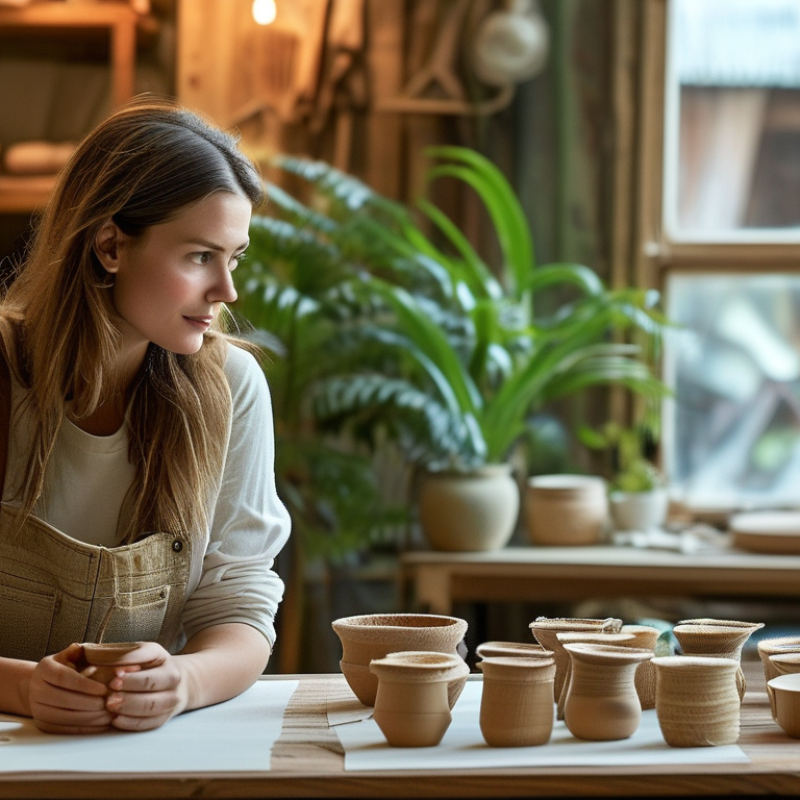
How Handmade Crafts Enhance Sustainable Living for Global Buyers

The Intersection of Handmade Crafts and Sustainable Living

Handmade crafts create a unique intersection with sustainable living. They provide environmentally friendly alternatives to mass-produced goods. According to a 2021 report by the Handmade Business Association, 72% of consumers prefer purchasing handmade items to support eco-friendly practices. This choice reflects a growing demand for sustainable products that align with ethical values.

Crafts often use locally sourced materials, which reduces carbon footprints. Not only do they preserve traditional skills, but they also empower local economies. In fact, studies show that each dollar spent on local crafts circulates three times within the community. This financial impact highlights the significance of handmade goods in promoting sustainability.

**Tip:** When purchasing handmade items, consider the source. Look for local artisans and support small businesses that uphold sustainable practices.

The handmade crafts movement also faces challenges. Some products may be priced higher, making them less accessible. Consumers sometimes overlook the value of craftsmanship. Educating shoppers on the benefits of buying handmade can help bridge this gap.

**Tip:** Highlight your support for handmade goods on social media. Share stories about artisans and their sustainable practices to raise awareness.

How Handmade Crafts Enhance Sustainable Living for Global Buyers - The Intersection of Handmade Crafts and Sustainable Living

Craft Type Material Used Sustainability Impact Market Demand Price Range (USD)
Handmade Baskets Natural Fibers (e.g., Agave) Promotes use of renewable resources High $30 - $100
Ceramic Pottery Clay Reduction of plastic usage Medium $20 - $150
Upcycled Jewelry Reclaimed Materials Encourages recycling High $15 - $75
Handwoven Textiles Organic Cotton Supports organic farming Medium to High $25 - $100
Natural Soap Plant-based Ingredients Reduces chemical waste High $5 - $20

Understanding Sustainable Living and Its Global Importance

Sustainable living is becoming increasingly vital in our interconnected world. According to a 2022 report from the United Nations, sustainable practices can reduce greenhouse gas emissions by up to 70%. The shift towards sustainable living helps preserve our environment for future generations while fostering economic growth. Consumers are now prioritizing purchases that reflect their eco-conscious values, seeking handmade crafts that utilize sustainable materials. This trend supports local artisans and reduces the carbon footprint associated with mass production.

Incorporating handmade items into daily life can significantly impact our ecological footprint. Handmade crafts often use organic, locally sourced materials. A study by the Craft Industry Alliance found that nearly 60% of consumers purchase handmade goods to support sustainability. These products usually require less energy and water compared to mass-produced alternatives. However, challenges remain. Many consumers struggle to find accessible handmade products that align with their values. An awareness of sourcing practices is essential.

Tips:
- Look for certifications when purchasing handmade goods.
- Engage with artisans and ask about their materials.
- Prioritize quality over quantity to reduce waste.

Reflecting on our purchasing choices is crucial. Not all handmade products are environmentally friendly, and some may still contribute to waste. Therefore, a critical yet hopeful lens on sustainable living is necessary to drive change.

The Role of Artisans in Promoting Eco-Friendly Practices

Artisans play a crucial role in promoting eco-friendly practices through their handmade crafts. By using local materials and traditional techniques, they create products that are often more sustainable than mass-produced alternatives. These artisans prioritize quality over quantity. Each item reflects their dedication to craftsmanship and the environment.

Handmade crafts often have a smaller carbon footprint than factory-made goods. Artisans frequently source materials nearby. This practice reduces transportation emissions and encourages local economies. However, the challenge lies in balancing tradition and modernity. Many artisans face pressure to produce quickly, risking their commitment to sustainability.

The process of creating handmade items fosters a deeper connection to the earth. Artisans are mindful of their impact on the planet. They often experiment with natural dyes and recycled materials. This exploration can lead to unanticipated results, sometimes falling short of their vision. Nevertheless, each failure is a learning opportunity. It challenges the artisan to innovate further, promoting continual growth in eco-friendly practices.

Economic Benefits of Handmade Crafts for Global Buyers

Handmade crafts play a significant role in promoting sustainable living, especially for global buyers seeking unique products. According to a 2022 report by MarketsandMarkets, the global handcrafted market size is projected to reach $800 billion by 2024. This growth reflects the increasing demand for sustainable and ethically produced goods.

Investing in handmade crafts can yield substantial economic benefits. A report from the Artisan Alliance highlights that purchasing handmade items supports local artisans and communities. This not only improves the livelihoods of many but also encourages sustainable practices. A survey found that 70% of consumers are willing to pay more for products made ethically. Global buyers benefit in two ways: unique products and the knowledge they are making a positive impact.

However, it’s important to recognize the challenges within the handmade craft industry. Many artisans struggle with market access and pricing pressures from mass-produced goods. Low visibility can hinder their ability to reach global audiences. Buyers must reflect on the balance between convenience and the importance of supporting sustainable sources. They can help to create a fairer marketplace by prioritizing handmade items.

Case Studies: Successful Handmade Craft Initiatives Worldwide

Handmade crafts contribute significantly to sustainable living, as seen in various successful initiatives worldwide. For example, a report by the International Labour Organization reveals that over 120 million people globally are employed in the artisan sector. These crafts often utilize local materials, minimizing carbon footprints. Artisans prioritize eco-friendly practices, creating products that are both beautiful and sustainable.

In India, the Lajvard Project connects artisans to international buyers, showcasing traditional crafts while fostering sustainability. The artisans employ natural dyes, ensuring their products are safe for the environment. Interestingly, a survey showed that 70% of consumers are willing to pay more for sustainably made items. This consumer behavior encourages artisans to remain committed to sustainable practices.

However, challenges persist. Many artisans struggle with market access and lack of funding. A study found that 40% of artisans reported difficulties in scaling their businesses. Despite these hurdles, the drive for sustainable living through handmade crafts remains strong. Initiatives like "Artisan Connect" offer training and resources, promoting a thriving marketplace that empowers creators while contributing to sustainability.

Impact of Handmade Crafts on Sustainable Living

FAQS

: Why should I consider buying handmade crafts?

: Handmade crafts support eco-friendly practices and boost local economies, helping communities thrive.

What materials are typically used in handmade crafts?

Artisans often use locally sourced materials, which helps reduce carbon footprints and promotes sustainability.

Are handmade crafts more expensive than mass-produced goods?

Yes, handmade items often have higher prices. This reflects the craftsmanship and ethical practices involved.

How does buying handmade support local economies?

Each dollar spent on local crafts circulates three times within the community, enhancing financial stability.

What challenges do artisans face in the market?

Many struggle with access to markets and pricing pressure from mass-produced alternatives, limiting their visibility.

How can I learn more about artisans and their work?

Follow artisans on social media and share their stories. This raises awareness about sustainable practices.

Are consumers willing to pay more for handmade items?

Yes, surveys show that 70% of consumers would pay a premium for ethically produced products.

What should I consider when buying handmade crafts?

Always check the source and ensure the artisans follow sustainable practices in their work.

How do handmade crafts relate to sustainable living?

They provide environmentally friendly alternatives to mass-produced goods while preserving traditional skills.

What initiatives help promote handmade crafts globally?

Programs like the Lajvard Project connect artisans to international buyers, encouraging sustainable practices worldwide.

Conclusion

The article "How Handmade Crafts Enhance Sustainable Living for Global Buyers" explores the intersection between handmade crafts and sustainable practices, emphasizing their global significance. It delves into the concept of sustainable living and its vital role in promoting ecological balance. Artisans play a crucial role in this landscape, as their work often embodies eco-friendly techniques that emphasize craftsmanship over mass production.

Additionally, the economic benefits derived from handmade crafts for global buyers are examined, showcasing how these products can support local economies while fostering sustainability. Through various case studies, the article illustrates successful initiatives worldwide that exemplify how handmade crafts support sustainable living, demonstrating that this approach not only benefits the environment but also nurtures cultural identity and community resilience.

Henry

Henry

Henry is a dedicated marketing professional with a profound expertise in the company's offerings. With years of experience in the industry, he possesses an impressive understanding of the market dynamics and consumer behaviors that drive success. Henry is committed to sharing his insights through......