Handmade crafts have become a crucial avenue for individuals to express their uniqueness. In a world dominated by mass-produced items, approximately 78% of consumers are drawn to handmade products. This figure highlights the growing preference for authenticity and personal touch. These crafts not only represent the artisan's skill but also resonate deeply with the buyers, showcasing their individual tastes and creativity.
How Handmade Crafts Reflect Personal Style goes beyond mere aesthetics. Each piece tells a story, revealing the personality of both the creator and the consumer. According to a recent report by the Handmade Business Association, nearly 65% of handcrafted item buyers feel a stronger connection to items made by individual artisans than to mass-market goods. This connection stems from the careful selection of materials and the personal history attached to each piece, making the crafts resonate on a level that is often lacking in conventional products.
However, the journey of finding one's unique style through handmade crafts can be challenging. Not every handmade piece aligns with personal tastes, and the process of discovering what speaks to you requires thoughtful consideration. This reflects a deeper understanding of one's identity and preferences. As consumers navigate this landscape, they actively participate in a broader conversation about culture, aesthetics, and personal values.
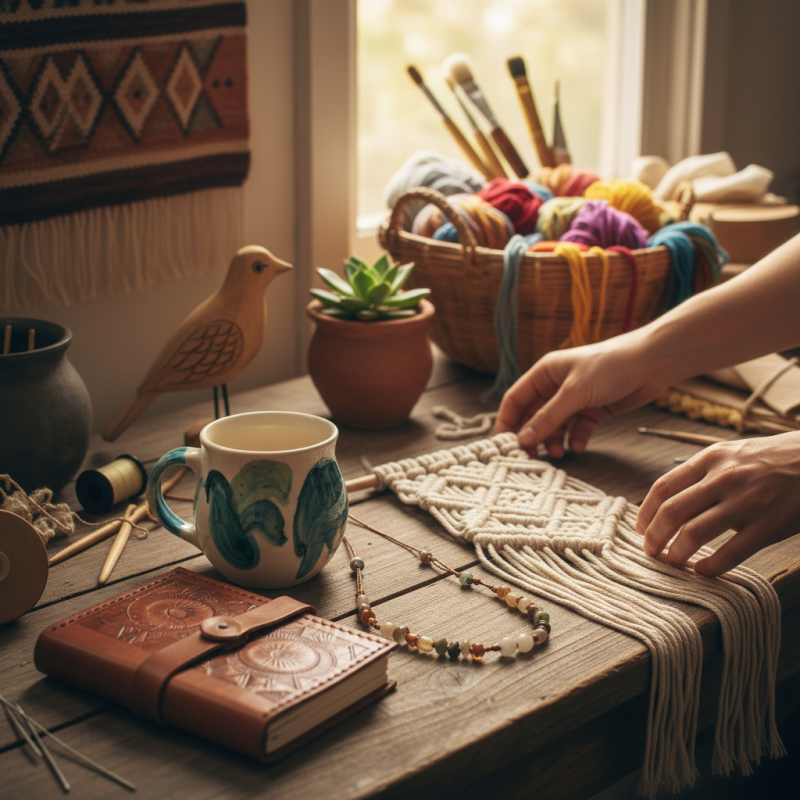
Handmade crafts represent a vital aspect of personal style. According to a report by the 2023 Craft Industry Market Analysis, about 65% of consumers appreciate handmade products for their uniqueness. This appreciation stems from the personal touch that handmade items offer, allowing individuals to express their tastes and preferences. Each crafted piece tells a story, reflecting the creator's skills and inspirations. When you choose handmade goods, you opt for more than just aesthetics; you embrace individuality.
In contrast to mass-produced items, handmade crafts often have imperfections. These can serve as conversation starters, showcasing the artisan’s journey. The Small Business Administration indicates that 45% of shoppers prefer products that contribute to local economies. This trend highlights a desire for authenticity over uniformity. Choosing a handmade craft allows you to wear, use, or display something that connects you to the artisan and their values. These choices encourage deeper reflection on your own style and the meaning behind what you possess. Each handmade item invites you to think about its history and what it represents in your life.
Handmade crafts offer a window into personal styles. Each piece tells a story, reflecting the creator’s identity and vision. According to a report from the Craft Industry Alliance, over 30 million Americans engage in some form of handmade craft. This number underscores the growing appreciation for unique, handcrafted items.
There are many types of handmade crafts. Items range from pottery and jewelry to textiles and woodworking. Each craft possesses distinct aesthetic qualities. For example, ceramics can display intricate glazing techniques that catch the light beautifully. Textiles, on the other hand, offer tactile experiences. They invite us to trace our fingers over wovens, each pattern revealing a narrative of its own.
While handmade items are often cherished for their beauty, they can sometimes fall short in durability. A handmade piece may not have the same resilience as mass-produced items. This imperfection adds to their charm, but it also requires some reflection on the balance between aesthetics and functionality. By choosing handmade, individuals embrace authenticity, even amidst minor flaws.
Handmade crafts serve as a powerful medium for personal expression and creativity. In recent years, studies show that creative activities can significantly enhance mental well-being. According to a report by the American Journal of Public Health, engaging in crafts can reduce stress and anxiety by promoting mindfulness. This connection to well-being demonstrates how individuals can showcase their unique styles through the art of making.
Craft enthusiasts often explore various materials, from clay to textiles. Their choices reveal much about their personalities and aesthetic preferences. A survey by the Craft and Hobby Association found that 76% of respondents believe handmade crafts reflect personal identity. This statistic highlights the deep connection between crafting and self-expression. However, it’s essential to acknowledge that not all creations are perfect. Flaws in a handmade item might seem discouraging, yet they often tell a richer story of the maker's journey. Each imperfection can prompt reflection, reminding creators that their unique voice shines beyond technical precision.
The rise of platforms for sharing handmade goods allows artists to connect and inspire others. As a result, craftsmanship can cultivate community and collaboration. However, the pressures to meet certain trends may hinder genuine creativity. It’s crucial to remember that the heart of handmade crafts lies in authenticity. Embracing one’s unique style, even in imperfection, empowers individuals to express themselves fully.
Cultural background plays a significant role in shaping handmade craft styles. Each culture carries its unique traditions and techniques, influencing the materials and themes artisans choose. For example, Native American crafts often incorporate vivid colors and natural elements, reflecting a deep connection to nature. In contrast, East Asian crafts may emphasize minimalism and harmony.
The blends of techniques across cultures lead to beautiful variations. An artisan might draw from multiple backgrounds, creating pieces that narrate stories of cultural intersections. However, it is vital to approach this fusion with respect and understanding. Misusing cultural elements can lead to appropriation rather than appreciation.
There is also a challenge of authenticity. Crafts that borrow too heavily from different cultures may lose their original essence. This raises questions about the true representation of handmade art. Balancing personal expression while honoring cultural roots is crucial for artisans today. This ongoing journey of craftmaking invites reflection on one’s identity and the broader tapestry of influence that defines it.
| Craft Type | Cultural Background | Materials Used | Unique Features | Personal Style Elements |
|---|---|---|---|---|
| Pottery | Japanese | Clay, Glaze | Natural textures, Wabi-sabi aesthetics | Minimalism, Earthy tones |
| Textiles | Indian | Cotton, Silk | Intricate patterns, Bold colors | Cultural motifs, Vibrant hues |
| Jewelry | Mexican | Silver, Semi-precious stones | Handcrafted, Cultural symbols | Colorful combinations, Artisan techniques |
| Woodwork | Scandinavian | Pine, Birch | Clean lines, Functional design | Natural finish, Simplicity |
| Painting | African | Acrylics, Natural pigments | Symbolic, Bright colors | Cultural storytelling, Expressive style |
Incorporating handmade crafts into daily life can truly enhance your personal style. Research indicates that 76% of consumers believe handmade items reflect individuality. These unique pieces can serve as conversation starters, transforming mundane spaces into vibrant reflections of self-expression. Simple additions, such as hand-painted mugs or knitted throws, can elevate your home’s aesthetics.
To weave these crafts into your routine, start small. You might choose a handmade tablecloth for family dinners. Notice how it sparks joy and makes meals feel special. Alternatively, consider crafting your own decorations for holidays. A 2021 survey found 60% of participants felt more connected to their surroundings when using handmade decor. Yet, it’s okay if not every piece turns out perfectly. Embracing imperfections is part of the creative journey.
Engaging in craft activities can also foster mindfulness. Many report feeling calmer and more focused while creating. A study by the Craft Industry Alliance revealed that 85% of crafters attribute stress relief to their hobby. It's not solely about the end result but the process itself. Don’t be afraid to experiment. You might discover your style evolves as you create.
: Handmade crafts are unique items created by artisans, reflecting personal style and creativity.
Many appreciate handmade goods for their uniqueness and the personal touch they provide.
Crafting often reflects individual tastes, revealing much about personalities and self-expression.
Yes, engaging in crafting can reduce stress and promote mindfulness, enhancing overall well-being.
Imperfections can tell a richer story, reminding us of the creator's journey and unique voice.
Platforms for sharing handmade goods allow artists to connect, collaborate, and inspire each other.
Embracing authenticity is crucial, as it empowers individuals to express themselves meaningfully.
Many prefer handmade crafts, valuing authenticity and connection to local economies over uniformity.
Choosing handmade items encourages deeper reflection on their history and personal significance.
Creators may feel pressured to meet trends, which can hinder genuine creativity in their work.
Handmade crafts are more than just decorative items; they serve as a powerful medium for showcasing personal style. The diversity of handmade crafts—from pottery and jewelry to textiles—offers ample opportunity for individuals to express their unique aesthetics and creativity. Each piece often reflects the maker’s personal touch and the values they embody, bridging individual expression with artistic craftsmanship.
Moreover, the influence of cultural backgrounds plays a significant role in shaping the styles and techniques employed in handmade crafts, adding layers of meaning to each creation. By incorporating these crafted items into everyday life, individuals can enhance their personal environments, making a vivid statement about their tastes and identities. Ultimately, how handmade crafts reflect personal style highlights the intimate connection between creativity, culture, and self-expression, inviting us to celebrate our individuality.

RUX Home Crafts