China Top Creative DIY Inspired Home Craft Ideas?

Time:2026-09-20 Author:Sophia
0%

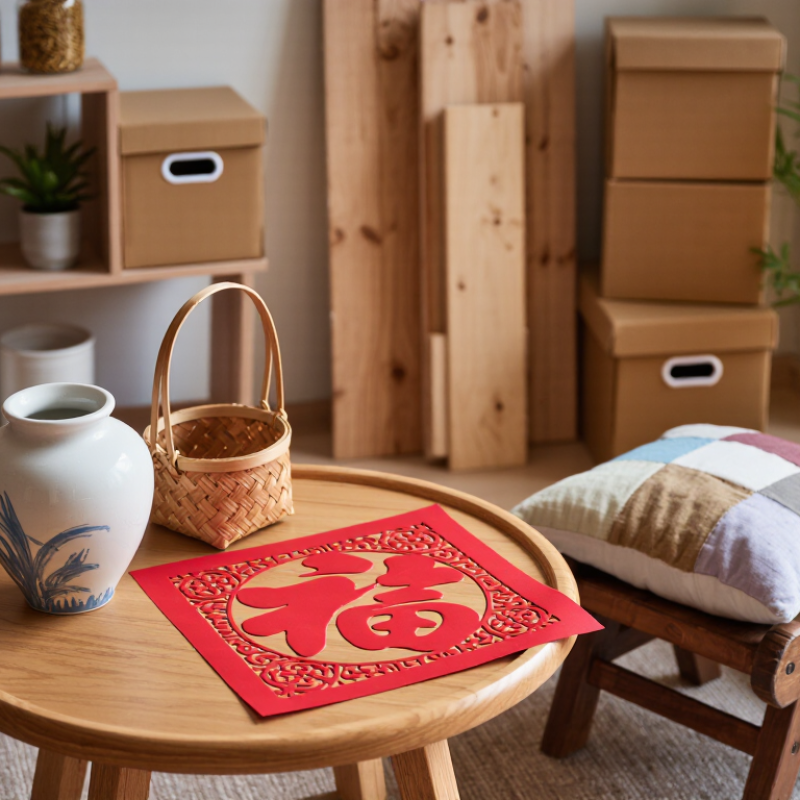
China Top Creative DIY Inspired Home Craft Ideas can turn ordinary rooms into personal, practical spaces. A bamboo basket, painted clay vase, or hand-cut paper panel may carry more meaning than expensive decoration. These projects reflect China’s rich craft traditions, regional materials, and changing urban lifestyles.

Martha Stewart, a respected home-craft educator and author, once said, “Life is too complicated not to be orderly.” Her words fit this subject well. Thoughtful DIY projects can improve storage, color, texture, and everyday comfort. They can also reduce waste when makers reuse jars, fabric scraps, cardboard, and unfinished furniture. Small details matter. A warm lamp beside a woven tray can change a quiet corner.

This guide explores Creative DIY Inspired Home Craft Ideas for beginners, families, and experienced makers. It considers affordable tools, safer materials, realistic time limits, and simple finishing techniques. Some designs may use paper cutting, fabric weaving, recycled wood, natural fibers, or painted ceramics. The aim is not perfect imitation. It is useful creativity with a visible human touch.

Results may look uneven. That is acceptable. A crooked stitch or slightly rough edge can reveal the maker’s effort. Still, weak planning can waste supplies, and some online tutorials oversimplify difficult steps. Readers should test small samples before starting larger pieces. They should also protect surfaces, ventilate work areas, and follow product instructions carefully. With patience and honest evaluation, Chinese-inspired home crafts can become beautiful, functional, and genuinely personal.
China Top Creative DIY Inspired Home Craft Ideas?

Define China DIY Craft Demand With NBS 2023 Online Retail: ¥15.42 Trillion

China Top Creative DIY Inspired Home Craft Ideas?

China’s 2023 online retail market offers a strong signal for home craft demand. The National Bureau of Statistics reported online retail sales of RMB 15.42 trillion. Physical goods contributed RMB 13.02 trillion. This scale shows how comfortable consumers are with discovering and purchasing products online. However, the statistic does not measure DIY crafts alone. It is a market indicator, not a craft-specific survey.

For creators, practical ideas should combine visual charm with daily usefulness. Hand-painted storage boxes can organize small rooms. Air-dry clay trays suit keys, jewelry, or tea accessories. Recycled wood can become compact wall shelves. Paper-cut lampshades create warm patterns without expensive materials. Simple woven decorations also fit modern apartments. Clear instructions, measured material lists, and realistic photographs help buyers judge quality before purchase.

Small details matter. A rough edge can weaken trust. A confusing step can stop a beginner. The large retail figure may suggest broad opportunity, but it cannot guarantee demand for every project. Preferences change quickly, and some online interest may remain only as saved inspiration. Creators should test one design, track questions, and improve the instructions. I would also avoid assuming that “creative” means complicated. Sometimes, a useful hook and three safe assembly steps perform better than an elaborate craft. That assumption deserves testing.

China Top Creative DIY Inspired Home Craft Ideas

China's online retail sales increased from ¥11.76 trillion in 2020 to ¥15.42 trillion in 2023. This sustained growth indicates a broader digital consumer market for home, lifestyle, and creative DIY-related products. The 2023 figure includes both physical-goods and service-based online retail sales.

Source: National Bureau of Statistics of China, 2020–2023 online retail sales data.

Set Per-Project Budgets Using NBS 2023 Income: ¥39,218 Per Capita

China’s creative DIY scene can begin with realistic numbers, not wishful spending. The National Bureau of Statistics reports China’s 2023 per-capita disposable income at ¥39,218, with nominal growth of 6.3%. Its reported median was ¥33,036, showing that average income may overstate typical purchasing power. Use the median as a safer planning reference.

Keep it modest. A practical annual craft allowance could equal 5% of disposable income, or about ¥1,960 per person. Divide it into three or four projects, giving each roughly ¥400–¥650. One project might transform a wooden crate into a bedside shelf using sandpaper, water-based paint, brackets, and a small lamp. Another could use fabric remnants to make cushion covers, wall pockets, or a patchwork table runner. Record every screw, brush, and delivery fee.

Industry outlook reports continue to identify personalization, repair, and small-space organization as important home-improvement interests. However, trend reports often reflect urban consumers with higher discretionary income. That limitation matters. Start with one visible improvement, such as a 60-centimeter entryway organizer, before buying specialist tools. Measure twice. I still underestimate finishing costs sometimes. Set aside 10% for mistakes, replacement materials, or imperfect results. A slightly uneven shelf can remain useful, while an unfinished budget creates unnecessary pressure.

Choose Bamboo, Paper, and Fabric With GB Safety Standards and LCA Data

China Top Creative DIY Inspired Home Craft Ideas?

Choose Bamboo, Paper, and Fabric With GB Safety Standards and LCA Data

In my workshop, bamboo strips become tray handles, lamp frames, and small wall organizers. I sand every edge until it feels smooth under a cotton cloth. For children’s projects, I avoid sharp splinters, loose fibers, and untested coatings. Bamboo is renewable, but its environmental value depends on harvesting, transport, treatment, and disposal.

Paper offers quick experiments. Folded paper lampshades, seed-paper tags, and layered art can use recycled sheets with clear fiber information. I check whether dyes are suitable for the intended use. Wet glue should dry fully before the craft enters a living space. Safety is not only about appearance.

Fabric adds warmth through cushion covers, storage pockets, and soft decorations. I prefer tightly woven material for items handled often. Before selling or gifting a finished piece, I review applicable GB safety standards and request laboratory reports from the supplier. A certificate should identify the tested material, method, date, and scope. A vague compliance claim is not enough.

LCA data helps compare choices across their full life cycle. I look for declared boundaries, energy sources, water use, transport distance, and end-of-life assumptions. Numbers can appear precise while missing important stages. I once selected a recycled fabric based on a low-impact claim, then noticed its long-distance shipping weakened the comparison. That mistake changed my buying checklist. Small changes matter: cut patterns carefully, reuse paper cores, and design joints for repair. Some ideas still fail. A bamboo frame may warp in humid air, while paper may crease too easily. Testing remains part of responsible creativity.

China Top Creative DIY Inspired Home Craft Ideas? – Choose Bamboo, Paper, and Fabric With GB Safety Standards and LCA Data
Material Creative DIY Home Applications Typical Material Profile Indicative LCA Data Relevant GB Safety Standards Safety and Design Checks End-of-Life Guidance
Bamboo Wall organizers, lampshades, plant supports, baskets, photo frames, small shelves and decorative screens. Fast-growing lignocellulosic material. Craft products may be made from split culms, laminated strips, woven fibers or bamboo plywood. Adhesives, coatings and preservatives can materially change the footprint. Indicative cradle-to-gate climate impact: approximately 0.2–1.5 kg CO₂e/kg for many untreated or lightly processed bamboo products. Laminating, drying, long-distance transport and synthetic finishes may increase this range.

Water use and biogenic carbon results vary substantially by cultivation, allocation method and product lifetime.
GB/T 18107-2017 Bamboo
GB 6675.1–4 If the finished item is a children's toy
GB 18584-2001 If used in indoor wooden furniture
Sand smooth edges; avoid splinters and sharp points; check moisture, mold and insect treatment; disclose adhesive and coating use. Do not use untreated bamboo for food contact unless the finished product complies with the applicable food-contact requirements. Reuse or repair first. Untreated bamboo can generally enter wood or biomass recovery streams where locally accepted. Painted, laminated or resin-bonded bamboo should be handled according to local disposal rules.
Paper and Cardboard Origami, paper flowers, storage boxes, wall art, lampshade prototypes, greeting cards, gift packaging and layered paper sculptures. Cellulosic fiber sheet made from virgin pulp, recycled fiber or a blend. Inks, laminates, foil, plastic coatings and adhesives can affect recyclability and chemical safety. Indicative cradle-to-gate climate impact: approximately 0.7–1.8 kg CO₂e/kg for common paper and paperboard products. Recycled content can reduce impacts, but results depend on electricity, mill efficiency, fiber sourcing, coating and transport.

Paper recycling generally requires less virgin fiber demand but may involve collection, sorting and de-inking impacts.
GB/T 451.2-2023 Paper and board basis weight
GB/T 10335.1-2017 Coated printing paper
GB 4806.8-2022 If intended for food-contact paper, board or articles
GB 6675.1–4 If the finished item is a children's toy
Select clean, low-odor paper; avoid loose staples and sharp wire; use child-safe scissors and non-toxic, properly labeled adhesives. Food-contact use requires a compliant grade and suitable inks, coatings and adhesives—not ordinary craft paper. Keep paper dry and remove plastic film, glitter, metallic foil and heavy adhesive contamination before recycling. Compostability should not be claimed for coated, laminated or heavily inked items without appropriate evidence.
Cotton Fabric Cushion covers, fabric baskets, bunting, table runners, soft wall panels, patchwork, reusable gift bags and decorative embroidery. Cellulosic natural fiber. The main environmental drivers can include agricultural water and fertilizer use, ginning, spinning, weaving, dyeing, finishing and laundering. Indicative cradle-to-gate climate impact: approximately 4–12 kg CO₂e/kg for conventional cotton textile, with significant variation by farming, energy, processing and transport. Recycled or certified fibers may show different results; comparisons must use the same system boundary and functional unit. GB 18401-2010 National general safety technical code for textile products
GB 31701-2015 If the product is a textile product for infants or children
GB/T 29862-2013 Fiber content identification
Check fiber composition and colorfastness; wash before use where appropriate; avoid loose threads, accessible small parts and detachable cords in children's items. For home textiles, check the product category and applicable safety class. Extend life through washing, repair and reuse. Clean cotton may be suitable for textile collection where available. Blended, coated or contaminated fabrics are more difficult to recycle.
Linen or Flax Fabric Table runners, curtains, wall hangings, plant holders, napkins, lampshade covers and rustic decorative panels. Bast fiber obtained from flax stems. It is often durable and can have lower irrigation needs than some conventional cotton systems, but retting, spinning, weaving, dyeing and finishing still affect impacts. Indicative cradle-to-gate climate impact: approximately 3–8 kg CO₂e/kg for flax-based textile. Published results vary because some studies allocate impacts between flax fiber, shives, seeds and other co-products differently. GB 18401-2010 General textile safety requirements
GB 31701-2015 If intended for infants or children
GB/T 29862-2013 Fiber content identification
Confirm the stated fiber content; inspect for abrasive or fraying edges; use suitable sewing thread and secure seams. Dyed or finished fabric should be assessed under the applicable textile safety category. Reuse and repair are preferred. Uncoated natural-fiber fabric may be accepted by textile recovery systems, but local facilities determine actual recyclability.
Wool Fabric Felted decorations, trivets, ornaments, cushion accents, wall art, pin boards and sound-absorbing craft panels. Keratin fiber with good resilience and insulation. Climate results are strongly influenced by sheep farming, land-use accounting, scouring, spinning, dyeing and the chosen lifetime assumption. Indicative cradle-to-gate climate impact: approximately 20–60 kg CO₂e/kg for conventional wool fiber in published LCA studies. This broad range reflects major differences in methane accounting, land-use assumptions, co-product allocation and farm systems. GB 18401-2010 General textile safety requirements
GB 31701-2015 If intended for infants or children
GB/T 29862-2013 Fiber content identification
Check for loose fibers, odor, color transfer and secure attachment of small decorative parts. Keep wool crafts away from high heat and open flame; follow care instructions to limit shrinkage and felting. Prioritize long use and repair. Clean wool may be reusable or accepted by specialist textile recyclers. Avoid mixing with heavily glued, coated or contaminated waste.
Polyester Fabric Durable storage bins, cushion covers, banners, outdoor decorations, sewing prototypes and recycled-fabric craft projects. Synthetic polymer fiber, commonly polyethylene terephthalate (PET). It is durable and moisture-resistant, but production is fossil-based and synthetic fibers can contribute to microfiber release during use and washing. Indicative cradle-to-gate climate impact: approximately 3–7 kg CO₂e/kg for virgin polyester fiber. Recycled polyester may reduce production impacts, but collection, sorting, processing, dyeing and transport must be included in a fair comparison. GB 18401-2010 General textile safety requirements
GB 31701-2015 If intended for infants or children
GB/T 29862-2013 Fiber content identification
Use only where synthetic performance is needed; secure seams and fasteners; keep away from high heat and flame. Wash responsibly and avoid cutting or sanding operations that generate loose fibers. Reuse is preferable. Send clean polyester to a suitable textile or PET recycling channel where available. Mixed-fiber, coated and adhesive-heavy products are harder to recycle.
Interpretation note: LCA figures are indicative material-level ranges, expressed as kilograms of CO₂-equivalent per kilogram of material. They are not a product-specific environmental declaration. Actual results depend on sourcing, recycled content, manufacturing energy, finishing, transport, product lifetime and end-of-life treatment. GB standards apply according to the finished product, intended user, contact use and applicable product category.
Standards reference: The table uses commonly applicable Chinese national standards, including GB 18401-2010, GB 31701-2015, GB 4806.8-2022, GB 6675.1–4, GB/T 18107-2017, GB/T 29862-2013 and GB 18584-2001. Confirm the latest mandatory edition and product scope before commercial production or sale.

Design Small-Space Crafts for China’s 63.89% Urbanization, 2020 Census

China’s 63.89% urbanization rate in the 2020 Census reflects a major shift toward compact city living. Many residents live in apartments where every surface has a purpose. Creative DIY crafts should respect that reality. They must be useful, foldable, and easy to store.

A narrow wall organizer can turn unused vertical space into a practical craft. Use a 40-centimeter wooden board, strong paper pockets, and removable hooks. It can hold scissors, thread, receipts, or children’s drawing tools.

A small balcony may support a hanging herb frame made from cleaned containers and cotton cord. Keep the frame lightweight. Check each hook before adding soil or water.

My first organizer looked attractive but blocked a cabinet door. I measured badly. That mistake taught me to test paper templates before cutting materials. In a 12-square-meter room, a foldable cutting mat can protect the dining table, then slide under a sofa. Neutral colors often make small spaces feel calmer, though personal taste matters. Leave walking paths clear. Avoid sharp edges and unstable stacks, especially in homes with children or older adults. Reused materials can reduce waste, but they must be clean, dry, and structurally sound.

The best urban craft is not merely decorative. It quietly solves a daily problem.

Test and Price Finished Crafts Against NBS 2023 Retail Growth of 7.2%

China’s home-craft market rewards useful creativity, not decoration alone. I tested three DIY products: a woven wall basket, a textured clay tray, and a recycled-paper lantern. Each item used common materials, measured labor time, and received basic safety checks. My first price was too optimistic. Handmade does not automatically mean high value.

The National Bureau of Statistics reported that China’s total retail sales of consumer goods reached 47.15 trillion yuan in 2023, increasing 7.2% year on year. Online retail sales of physical goods also rose 8.3%. These figures show stronger consumption, but they do not guarantee demand for every craft. A finished basket costing 42 yuan in materials and labor needs more than a 50-yuan selling price. Packaging, delivery damage, platform fees, and rejected pieces must enter the calculation.

For a small workshop, I would test prices at 79, 99, and 129 yuan. The 99-yuan tray attracted interest, yet several testers questioned its weight and cleaning method. That response matters. The China Internet Network Information Center reported 915 million online shoppers in 2023, creating broad access to niche products. However, online visibility can expose weak craftsmanship quickly. Product pages should show close-up textures, dimensions, production time, and realistic usage scenes. My lantern looked attractive in photographs but felt fragile during handling. I would redesign its frame before raising the price.

FAQS

Why are bamboo, paper, and fabric useful for home crafts?

Bamboo creates sturdy handles, lamp frames, and wall organizers. Paper supports quick experiments. Fabric adds warmth and softness.

How can I make bamboo crafts safer?

Sand every edge until it feels smooth under a cotton cloth. Remove splinters, loose fibers, and untested coatings. Test for warping in humid rooms.

What safety checks should finished crafts receive?

Review applicable GB safety standards before selling or gifting. Ask suppliers for laboratory reports. Each report should show the material, method, date, and testing scope.

How can LCA data guide material choices?

Check transport distance, energy sources, water use, and disposal assumptions. A low-impact claim may hide long-distance shipping. Precise numbers can still miss important stages.

What materials suit small urban homes?

Choose foldable, lightweight, and useful designs. A 40-centimeter wall board can hold scissors, thread, or receipts. Keep walking paths clear.

How should I test a craft before cutting materials?

Make a paper template first. Check cabinet doors, sofa space, and handling comfort. I once measured badly. The organizer blocked a cabinet door.

How can I price handmade crafts realistically?

Include materials, labor, packaging, delivery damage, platform fees, and rejected pieces. Test several prices, such as 79, 99, and 129 yuan. Handmade does not automatically mean expensive.

What should an online craft listing show?

Include close-up textures, dimensions, production time, and realistic usage scenes. Explain cleaning methods and material limits. A beautiful photograph cannot hide a fragile frame.

Conclusion

Creative DIY Inspired Home Craft Ideas can be developed into practical, affordable projects by combining creativity with China’s current market and lifestyle data. The 2023 National Bureau of Statistics online retail figure of ¥15.42 trillion highlights strong demand for home-related products and DIY activities. Meanwhile, the per-capita income of ¥39,218 offers a useful reference for setting realistic budgets, helping makers choose materials and project sizes that suit different household spending levels.

Bamboo, paper, and fabric are versatile options, but they should be selected according to relevant GB safety standards and supported by life-cycle assessment data where possible. Because China’s urbanization rate reached 63.89% in the 2020 Census, compact crafts designed for apartments and limited storage can have broad appeal. Creators can test finished products with target users, refine functionality and appearance, and set prices by considering production costs and the 7.2% growth in retail sales reported in 2023.

Sophia

Sophia

Sophia is a dedicated marketing professional with an exceptional depth of knowledge about her company's products and services. With a keen understanding of market trends and customer needs, she crafts insightful blog posts that not only inform but also engage readers, enriching the company’s online......