RUX Home Crafts


In modern industrial manufacturing and high-end architectural design, etched metal plates represent a critical convergence of structural chemistry, precision engineering, and aesthetic longevity. Unlike traditional stamping or mechanical machining, chemical metal etching (also known as Photo-Chemical Machining or PCM) delivers complex, burr-free geometries with absolute stress-free structural integrity. As global supply chains adjust to rising demand for precision electronic grids, high-fidelity ventilation grilles, decorative panels, and military uniform hardware, partnering with a highly capitalized, integrated Chinese manufacturer becomes a strategic imperative for global buyers.
1. Global Manufacturing Landscape & The Shift to Advanced PCM
The global demand for custom metal plates, nameplates, and precision industrial meshes is undergoing a profound paradigm shift. Historically, mechanical die-stamping and laser cutting were the default methodologies. However, these traditional processes present inherent physical limitations: stamping induces edge deformation and micro-cracks along the cutting boundaries, while laser thermal cutting creates Heat Affected Zones (HAZ) that compromise the metallurgical properties of alloys.
Advanced chemical etching circumvents these challenges entirely by dissolving exposed metal atomic layer by atomic layer using optimized acid etchants. This method guarantees that the metal retains its native physical properties, including tensile strength, magnetic permeability, and flatness. As industrial applications grow more intricate—such as thin-gauge filters, decorative lattices, and precise electronic heat spreaders—the market has turned to China's leading manufacturing centers to leverage mass production capability, raw material access, and advanced chemical controls.
Technical Roadmap: The Chemical Etching Cycle
Our state-of-the-art chemical etching workflow consists of five meticulously controlled stages designed to ensure repeatability across production runs of up to millions of units:
- Pre-Cleaning & Degreasing: The raw metal sheets (stainless steel, brass, copper, or aluminum) undergo multi-stage chemical baths to remove any oxides, organic residue, or rolling lubricants that could disrupt photoresist adhesion.
- Photoresist Lamination: A UV-sensitive polymer film is laminated under heat and pressure to both sides of the metal plate.
- UV Exposure & Photolithography: Using high-resolution glass tools, the intended layout is exposed to high-intensity ultraviolet light, curing the polymer into a durable barrier.
- Chemical Etching: The plates pass through horizontal conveyor chambers where heated ferric chloride (FeCl3) or cupric chloride (CuCl2) is sprayed onto the surfaces, dissolving the unprotected metal with micron-level precision.
- Stripping & Final Passivation: The cured resist is removed, and the metal undergoes specialized passivation treatments to prevent post-production oxidation and improve corrosion resistance.

2. Technical Specifications and Material Compatibility
To ensure high quality outcomes, choosing the correct alloy and matching it to chemical etchants is vital. Below is a comprehensive engineering table outlining the typical tolerances, thicknesses, and application metrics for primary metals processed in our facilities:
| Material Type | Standard Thickness Range | Minimum Feature Size | Standard Tolerance | Primary Application Fields |
|---|---|---|---|---|
| Stainless Steel (SUS 304, 316, 430) | 0.03 mm – 2.0 mm | 1.1x thickness | ± 10% of thickness | EMI shielding, fuel cells, medical meshes, industrial filters |
| Brass (C2680, C2200) | 0.05 mm – 1.5 mm | 1.0x thickness | ± 8% of thickness | Uniform badges, luxury nameplates, decorative home accents |
| Copper & Copper Alloys (C1100, Beryllium Copper) | 0.02 mm – 1.2 mm | 0.9x thickness | ± 10% of thickness | Leadframes, electronic connectors, micro-heaters |
| Aluminum Alloys (Al 1050, 5052, 6061) | 0.10 mm – 2.0 mm | 1.2x thickness | ± 12% of thickness | Automotive speaker grilles, lightweight heat sinks, aerospace parts |
3. Supply Chain Resilience & Sourcing Efficiency: The Yiwu RUX Advantage
Operating a global supply chain requires more than raw manufacturing capabilities; it demands deep logistics integration, reliable financial structures, and localized shipping support. Strategically located within Yiwu's world-class logistical hub, Yiwu RUX Home Crafts Co., Ltd. offers an integrated model that bridges high-precision metal engineering with global distribution efficiency.
While many boutique etchers operate with small, fragmented facilities, RUX Home Crafts brings the scale of an established exporter. Our mirror and custom craft operations showcase our dedication to material finishing, surface protection, and high-volume output. We integrate our processes, offering services from simple chemical etching to complete assemblies, including custom frames, glass styling, wooden storage solutions, and protective packaging.
4. High-End Applications: From Heavy Industry to Luxury Decor
The versatility of photo-chemical machining allows Yiwu RUX to cater to a diverse array of market segments. Our primary application streams include:
Industrial & Electronics
We supply precision micro-meshes, leadframes, EMI shields, and fuel cell plates. Our chemical processing maintains material purity without mechanical stress or deformation, ensuring reliable electronic transmission.
Insignia, Badges & Uniform Pennies
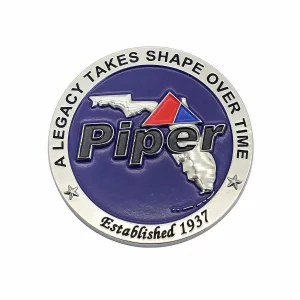
Our production line manufactures detailed, custom metal pennies and insignias for apparel, uniforms, and military wear. Our chemical etching creates sharp outlines and deep recesses suitable for enamel fills.
Decorative Screens & Accents
RUX designs etched brass, copper, and stainless steel panels for luxury home interiors, commercial spaces, and customized mirror backdrops. We apply protective lacquer coatings to maintain a premium finish over time.
5. Environmental Stewardship and Technical Compliance (E-E-A-T)
As chemical manufacturing faces tighter regulations worldwide, RUX maintains a proactive approach to environmental compliance. Our facilities feature integrated waste treatment systems that recycle and regenerate etchants (such as ferric chloride), recovering raw metal sludge and neutralizing wastewater before discharge.
Our production processes comply with RoHS (Restriction of Hazardous Substances) and REACH regulations, ensuring our etched components are safe for export to highly regulated markets like Europe and North America. Every shipment is backed by Material Test Reports (MTRs) and dimensional inspection certificates, ensuring transparency and reliability at every stage of the project.
Need Technical Consultation for Your Etched Project?
Get in touch with our engineering team for design reviews, material recommendations, and prototyping estimates. We respond to all technical queries within 12 hours.
Contact Engineering Team